Work Energy
How to End Your Workday: A Step-by-Step Shutdown Ritual
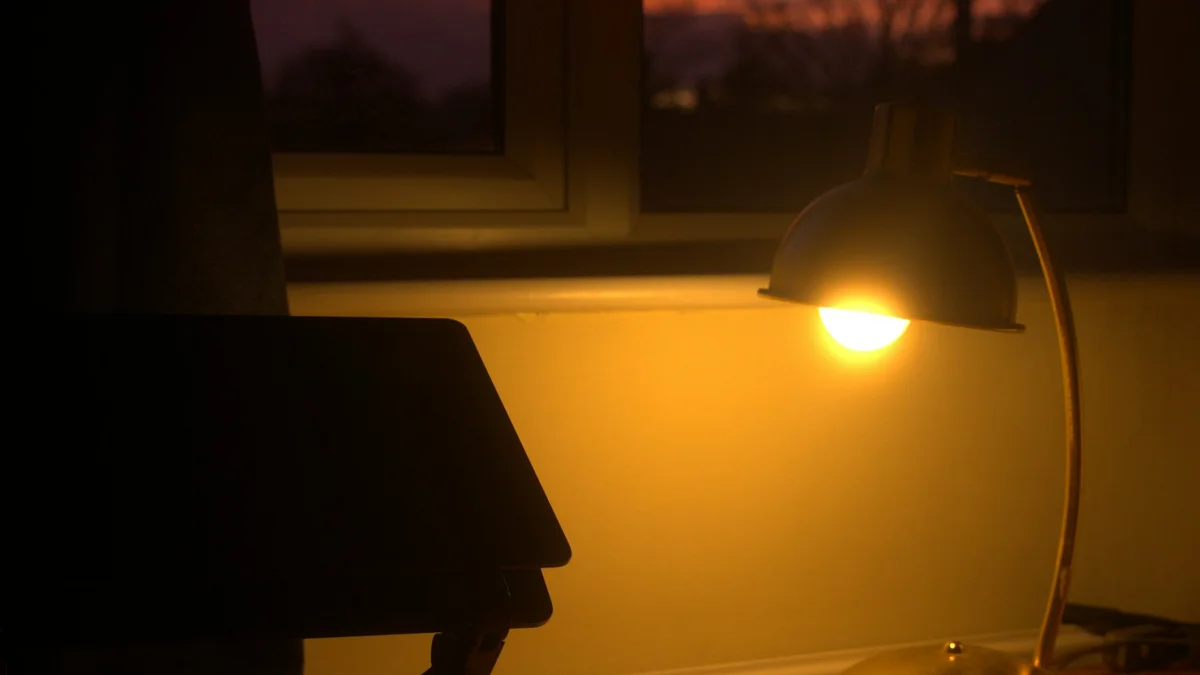
You closed the laptop at 6:15. By any reasonable measure, the workday is over. And yet here you are at 8:40, on the couch, thumbing open the work chat “just in case,” half-watching a show while a quiet loop of tomorrow’s tasks runs underneath everything. Nobody is asking you anything. You are still at your desk in your head.
The strange part is how ordinary this feels. Dinner gets made, messages get answered between bites, the evening fills up with small acts of responsibility, and somewhere in all of it your body never receives the one message it is waiting for: the work is paused, and you can stand down. So you sleep badly, wake up already tired, and start the next day at a deficit.
An end of workday routine fixes something surprisingly specific. Not your workload, and not your discipline. It gives your nervous system a clear signal that the day has ended, which is exactly what a blurred, always-on schedule fails to provide. In the work energy guide, this is one of the first practices worth building, because every other boundary gets easier once the day actually ends. Here is a small, four-step version you can start tonight.
Key takeaways
- The workday does not end when your calendar says so. It ends when your nervous system gets a clear signal that it is safe to switch off.
- A shutdown ritual is four small moves: pick an end time, close open loops, mark a physical threshold, and protect the first minutes after it.
- Telling people when you answer messages, such as “I check emails until 6 PM,” does more for your evening than silently hoping the pings stop.
- On hard days, a two-minute version still counts. The ritual is a signal, not a performance.
Why your evening starts with a signal, not a schedule
If you have ever wondered why you feel unrested after a free evening, this is usually why. The line between work and rest did not move; it dissolved. In Quiet Core Reset, Talon Greer writes, “Blurred boundaries: Remote work, hybrid schedules, and the expectation of instant responses have erased the natural line between ‘work time’ and ‘rest time.’ Your nervous system never gets a clear signal that it’s safe to switch off.”
Read that last sentence again, because it is the whole problem. Your body is not confused about time. It is waiting for a cue. For most of human history, cues came built in: the walk home, the closing of a shop, the end of daylight. Modern work removed nearly all of them, and then handed you a device that carries the office into every room of your home. Of course you cannot power down. Nothing in your evening ever says that the power-down has begun.
A shutdown ritual is not another task. It is the cue. Done consistently, it becomes the line in the sand that the rest of your evening leans against.
Step 1: Decide when you stop
Not when the work stops, because it never fully does. When you stop.
Pick a time you can realistically hold most days, and then make it visible. The book suggests setting clear expectations about response times, in the shape of a simple sentence: “I check emails until 6 PM.” You can put it in your status, your signature, or just say it once to the people who actually message you. Most colleagues do not want you available at all hours. They want to know when you will answer, and a stated window gives them that.
Then back the sentence up with ten minutes of setup: turn off notifications for everything that is not genuinely urgent, and consider a hard line like the book’s example of no work-related messages after 7 PM. This is not a declaration of war on your job. It is an end of workday routine doing the one thing it exists to do, which is making the end real. If the idea of announcing windows makes you nervous, you are not alone, and protecting your energy at work walks through why the nervousness fades faster than you expect.
Step 2: Close the loops on paper
Open loops are what follow you to the couch. The unsigned email, the half-finished report, the thing you promised to circle back on. Your brain treats each one as unfinished business, and unfinished business is exactly what it keeps rehearsing at 9 PM.
Before you stop, take two minutes and write down tomorrow’s top three. Not everything, just the three things that matter most. Then close the tabs, file or flag the stray emails, and leave a note where you will see it in the morning. This is the least glamorous step in the ritual and often the most effective, because a task written down somewhere trustworthy no longer needs to live in your head. You are not pretending the work is done. You are telling your mind where it will be picked up again.
Step 3: Mark the threshold
Your body needs a moment it can point to and say: that was work, this is not. The book keeps this remarkably small: “before opening your phone after work, take one minute to breathe and consciously transition.”
That is it. One minute, one breath, one deliberate crossing.
If you commute, the commute can be the ritual, if you let it be. Radio off for the first few minutes, or a slow walk from the train instead of a frantic one. If you work from home, build a threshold out of whatever you have: close the laptop and put it in a drawer, change your clothes, step outside for two minutes, or simply stand at the window and breathe before you walk into your evening. These small crossings are what the book calls micro-transitions, and slow transitions explains why they carry more weight than their length suggests. The threshold does not need to be impressive. It needs to exist, and it needs to be yours.
Step 4: Protect the first thirty minutes
The ritual can be undone in one scroll. The moment you reach for your phone and open the feed, you hand your freshly quieted nervous system a new stream of input, and half the time that stream includes work anyway. Many people find that the evening goes better when the phone waits, and setting a digital curfew is the structured version of that choice. If you live inside your laptop all day, digital boundaries for remote work covers the specific mess of the home-as-office, where every room holds a possible notification.
Protect those first minutes for something low and human instead. Sitting at the table. Changing into soft clothes. Talking to whoever is in the house, or hearing nothing at all. You do not need to fill the time with anything productive. The emptiness is the point. It is the space where the day actually drains out of your shoulders.
What this looks like on a hard day
Some days will not cooperate. The deadline runs long, the childcare falls through, the messages keep arriving because someone else’s crisis does not respect your ritual. On those days, shrink the ritual instead of abandoning it. Write tomorrow’s top three. Take one breath at your threshold. That is the whole thing, and it still counts.
Expect some guilt in the first weeks. Many people feel it when they first stop being reachable, and it says nothing about whether the boundary is right. It only says the boundary is new. The book’s promise here is quiet and worth trusting: when your own core is protected, you become a better colleague, not a worse one, because you stop showing up to work resentful and half-present. Start with the end of one workday. Then repeat it tomorrow.
Frequently asked questions
How long does an end of workday routine take?
Five to ten minutes in its full form: a stated end time, a two-minute list of tomorrow’s top three, a one-minute breath at your threshold, and a protected first half hour. On crowded days, the two-minute version, list plus breath, still gives your nervous system most of the signal.
I work from home and my desk is in the living room. Can I still do this?
Yes, and you arguably need it more. Since you cannot leave the office physically, create a portable threshold: laptop in a drawer, a change of clothes, two minutes outside, or one minute of slow breathing before you turn toward your evening. Remote work energy looks closely at this exact problem.
What if my job genuinely requires some evening availability?
Then make the availability predictable instead of permanent. A stated window, such as checking messages once after dinner, gives colleagues what they need while keeping the rest of the evening intact. The problem is rarely one checked message. It is the open-ended waiting that never lets your body stand down.
Will people think I am less committed if I stop answering at night?
It is common to worry about this, and the fear is usually larger than the reality. Most of the pressure to be always available comes from habit, not from an actual request. Give people a clear response time and they typically adapt within days. What they notice in the long run is that you are more present during working hours, not less.
If you want more small, kind practices like this one, Quiet Core Reset was written for exactly this kind of quiet, doable change.
Educational content, not medical advice - if exhaustion or burnout symptoms persist, please consult a professional.