High-Functioning Exhaustion
7 Ways to Protect Your Energy at Work When Exhausted
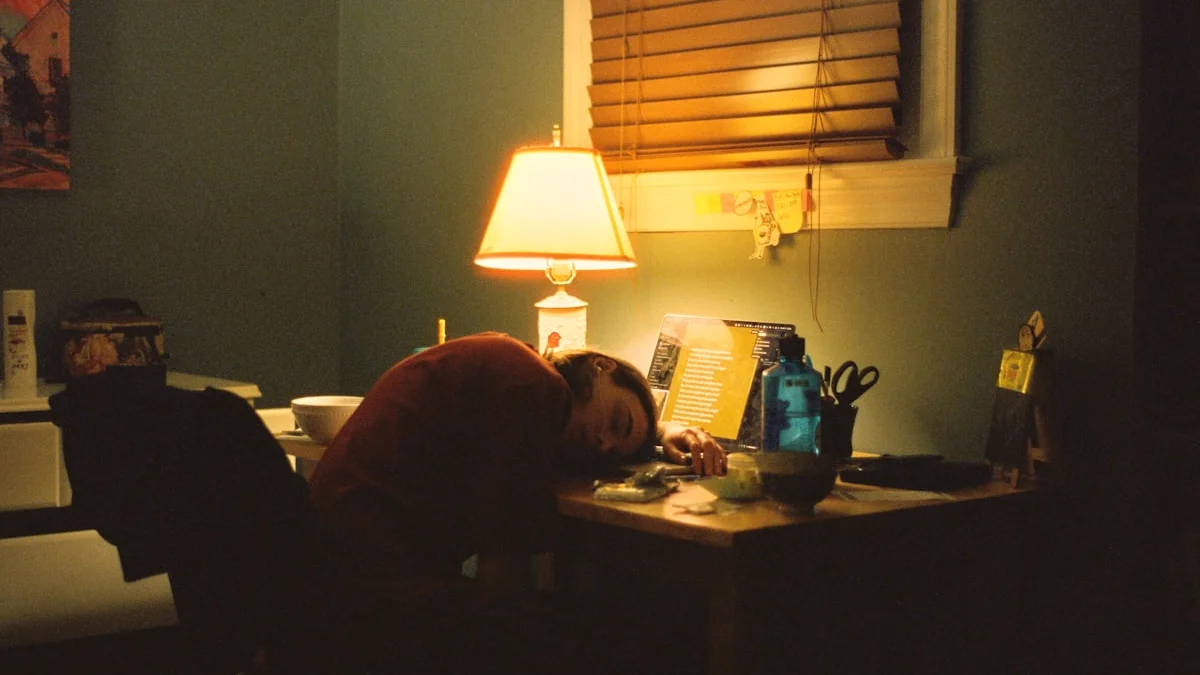
3:14 PM. You’ve been in back-to-back meetings since nine. The coffee went cold at eleven and you drank it anyway. Someone asks if you have bandwidth for one more thing, and you say yes, because you always say yes, and then you sit there for a second wondering what that yes is going to cost you.
That wondering is new, and it’s worth listening to. Energy protection at work isn’t a productivity trick or a life hack with a name. It’s how you stop leaking the little energy you have left, quietly, without anyone at the office noticing a thing. Because high-functioning exhaustion, the state of performing well while feeling hollow, rarely gets fixed by working less in some dramatic way. It gets addressed by leaking less. The full guide to high-functioning exhaustion explains the pattern; here are seven ways to interrupt it inside a job you’re keeping.
Where the energy actually goes
Here’s the first surprise: it’s rarely the big, visible work that drains you. The presentation, the launch, the hard conversation, those take energy, and they usually give some back in the form of meaning.
The leak is the invisible stuff. Seventeen context switches before lunch. The meeting that should have been a message. The low constant alert of a phone that might be about to buzz. The performance of fine, running all day like background software. None of it appears on any timesheet, and all of it lands on the same body.
The culture around you won’t help you see it. The colleague answering email at ten at night gets called dedicated. Busyness has become a badge people wear, and the book’s line is exact: we wear exhaustion like a status symbol. You don’t have to agree with the badge to be paying for it.
The seven ways
1. Do a one-time gives-and-drains audit of your actual week. Two columns on paper: what gave energy, what drained it. Be specific, because specificity is where the power is: not “meetings,” but “the 9:15 status meeting.” Not “email,” but “Slack after dinner.” You can’t protect what you haven’t named, and this list is the naming. Most people find two or three drains that are fully voluntary, which is good news wearing a bad costume.
2. Guard one peak window like it’s a meeting with someone important. Your energy isn’t flat across the day. It comes in waves, and you know roughly when yours crest. Put your best work inside that window and defend it the way you’d defend a meeting with the one person you wouldn’t cancel on. Meetings go around it, not inside it. Energy management is the fuller craft of riding those waves; one protected window is the minimum dose.
3. Attach tiny resets to triggers you already hit. Don’t schedule recovery; anchor it to things the day does anyway. Phone rings: one slow breath before you answer. Email sent: shoulders drop, exhale long. These are micro-resets, and they work because they borrow time from moments that already exist.
4. Shrink the false urgency. Not everything that arrives loudly is on fire. Before answering a non-urgent message, try the book’s pause: feet flat on the floor, ten seconds, and one question: “Do I have the energy and capacity for this right now?” Most “urgent” things keep for an hour. A reply sent from depletion reads worse than a good reply sent later.
5. Make one meeting cheaper every day. Camera off for one call. A slow walk between meetings instead of the inbox. If you control the invite, make it twenty-five or fifty minutes and give the gap back to your nervous system instead of to the calendar. One cheaper meeting a day is small. Two hundred and fifty a year is a different job.
6. Say one gentle no, or one honest “not this week.” You don’t need armor or a speech. You need one sentence you can actually say out loud. Every automatic yes spends money you haven’t got, and the people asking rarely know they’re spending it. Saying no without guilt is its own practice; the one-sentence version is where it starts.
7. Leave something in the tank at the end of the day. Stop before empty, even once a week. An evening that belongs to you, thirty to forty-five minutes with no screen, is what makes tomorrow’s tank start above zero. The full daily rhythm, morning to evening, lives in the ten-minute recovery plan.
Mark’s trigger map
Mark is 38, a software engineer, and he works from home, which sounds like rest and wasn’t. Afternoon brain fog arrived like clockwork. His shoulders lived somewhere near his ears. On video calls he was present in the way a photograph is present.
His fix from the book was a trigger map. He listed the things he does dozens of times a day without thinking: finishing an email, submitting code, closing a call. Then he attached thirty to forty-five seconds of reset to each one. Eyes off the screen. Slow shoulder roll. Exhale longer than the inhale.
Six weeks later, the hard afternoon crash was gone. More present on calls, because there was more of him to be present. His longest single break in that whole stretch was about a minute. That’s the arithmetic of this approach: never a break, always a break. Tiny, frequent, invisible.
What protection is not
It isn’t quitting, and it isn’t caring less. You can keep the ambition, the standards, even the schedule, and still stop the leaks; that’s the whole premise. The book is blunt about where the responsibility actually sits: “The truth is far simpler and more uncomfortable: the environment is broken, not you.” An always-on workplace with no seams is the broken part. Protection is you quietly building seams the environment forgot to include.
It also isn’t a harder push in disguise. “You do not need to push harder. You need to start pushing less - and supporting more.” Seven ways, not seventy. Pick one this week.
Key takeaways
- The drain at work is rarely the big tasks; it’s the invisible stuff: context switching, false urgency, the performance of fine.
- Name first, protect second: a one-time gives-and-drains audit tells you where the leaks actually are.
- Guard one peak window, attach resets to triggers you already hit, and make one meeting cheaper each day.
- The pause before the automatic yes is the cheapest protection there is: ten seconds and one honest question.
- Stop before empty once in a while. An evening with no screen is tomorrow’s head start.
Frequently asked questions
What if my workplace rewards overwork?
It probably does, and you don’t have to win that argument this quarter. The badge-of-honor culture is real, and you can decline to normalize the drain in your own day without announcing anything. Protection is mostly invisible: nobody sees your breath before answering the phone or the meeting you declined to stack. The work still ships. You’re just no longer shipping it with your whole self attached.
Will protecting my energy make me look less committed?
The fear makes sense, and the evidence usually goes the other way. Protected energy shows up as steadier output, fewer careless mistakes, and someone who is still sharp at 4 PM. The person who eventually wobbles isn’t the one who guarded a peak window. It’s the one who ran the tank to empty for a year and had nothing left for the hard week that was always coming.
Which of the seven should I start with?
The audit, number one. One honest list, five minutes, no fixing. It tells you which of the other six actually matter for your week, because your drains aren’t mine. After that, the peak window. One change at a time; seven at once is the all-or-nothing trap, and it folds by Thursday.
What if my biggest drain is a person?
Then the pause and the gentle no matter even more, because the drain has a face. You can’t audit a colleague away, but you can change the seams around them: when you respond, how available you are, what you agree to carry. And some drains are worth one honest conversation. People often don’t know what they’re asking, which is not your fault and is still fixable.
Quiet exhaustion doesn’t need you to become a different person at work. It needs the person you already are to stop leaking. Quiet Core Reset walks through the whole reset, gently, one small practice at a time, inside the job and life you already have.
Not medical advice. If exhaustion, numbness, or low mood persists, please consult a professional.