Attention Fragmentation
Decision Fatigue: Why Small Choices Drain Your Energy
It’s 8:15 on a Tuesday night. You’re in front of the open fridge for the second time in ten minutes. Inside is everything you need for three different dinners. You close it. You open the delivery app, scroll past twenty options, close that too. A question that should be simple feels impossible. The guilt is vague and familiar.
You’re not lazy, and the fridge is not empty. You’ve been choosing all day. What to wear, what to eat, what to reply, what to watch. Somewhere around dinnertime, the account ran low.
That feeling has a name: decision fatigue. It’s one of the quietest drains of modern life, precisely because every decision looks too small to matter. The attention fragmentation guide maps the whole pattern.
Key takeaways
- Decision fatigue is the compounding cost of hundreds of tiny daily choices. Each one “uses mental energy and keeps your nervous system active,” whether or not it matters.
- The 8 p.m. dinner question is not laziness. It’s the bill for a day of micro-decisions, arriving all at once.
- It persists because it feels normal. When everyone is equally depleted, exhaustion reads as personality, not a signal.
- The way out is fewer decisions, not stronger willpower: gentle defaults, questions decided once, smaller menus.
Decision fatigue, in one paragraph
Decision fatigue is what happens when an ordinary day becomes a stream of choice-points, and your brain treats every one as work. Pick an outfit. Pick a breakfast. Pick a reply. Pick which notification deserves attention. None of it is heavy on its own, but the spending never stops long enough for the account to refill. By evening, the questions haven’t gotten harder. The balance has gotten lower.
Why small decisions cost more than they used to
The raw material of a day changed without asking whether we wanted the upgrade. A generation ago, large parts of the morning answered themselves. The wardrobe held fewer options. Messages arrived twice a day, in batches; replying was one event, not forty. Today the phone lights up before the coffee is ready, and even at rest it keeps a tab open in your head. As the book puts it: “Even in silent mode, your brain is primed to expect the next notification.”
The boundaries that used to close the choosing day no longer hold either. Remote work and instant-reply expectations dissolved the line between work time and rest time, so the small questions never clearly end.
The book counts the cost without dramatizing it: “From the moment you wake up, you make hundreds of small decisions - what to wear, what to eat, what to reply, what to watch. Each decision, no matter how small, uses mental energy and keeps your nervous system active.”
That second sentence carries the mechanism. A decision is not just a thought. It’s a small activation of the nervous system. Attention narrows, options get weighed, and the body stays slightly switched on. Hundreds of those in a day, and you’ve run a marathon nobody saw, including you.
The dinner question is not laziness
By 8 p.m., the dinner question is not the first decision of the night. It’s the two-hundredth. Every hour added its own withdrawals, and each one kept your nervous system a little more active, a little later into the day.
So when you stand in the kitchen, capable adult, full fridge, unable to choose between pasta and rice, nothing is broken. The book names what’s happening underneath: “Their nervous system is working hard behind the scenes just to keep up with the constant input.”
That sentence explains a lot of evenings that looked like failures. The tiredness without a strenuous day behind it. The way the only honest answer you have left is to want whatever they want.
The same question is easy at 9 a.m. and impossible at 8 p.m. The question didn’t get heavier. The balance got lighter, and the guilt of why can’t I just decide? is a tax on top of a tax.
And here’s what lets the drain survive: “The most damaging part is that it feels normal.” When everyone around you is also choosing through the evening, also tired, the depletion stops reading as a signal. It reads as personality. The account sits nearly empty by dinnertime, treated as a character trait instead of a measurement.
Fewer decisions, gently
If the problem is a thousand small withdrawals, the remedy is not a sharper mind at 8 p.m. It’s fewer withdrawals. Closer to tidying than to self-improvement: decide once, kindly, so Future You has fewer open questions.
Give repeated questions a default. Breakfast, first coffee, the outfit for ordinary mornings. A default isn’t a cage; it’s a pre-made answer for a question you’ve answered a hundred times. You can always override it. Most mornings, you won’t want to.
Decide once, instead of deciding daily. A five-dinner rotation taped inside a cupboard ends the nightly fridge debate. Clothes laid out the night before buy back a choice at 7 a.m. A canned reply, a fixed grocery list. Each moves a decision from the tired end of a regular day to one calm moment that chooses for all of them.
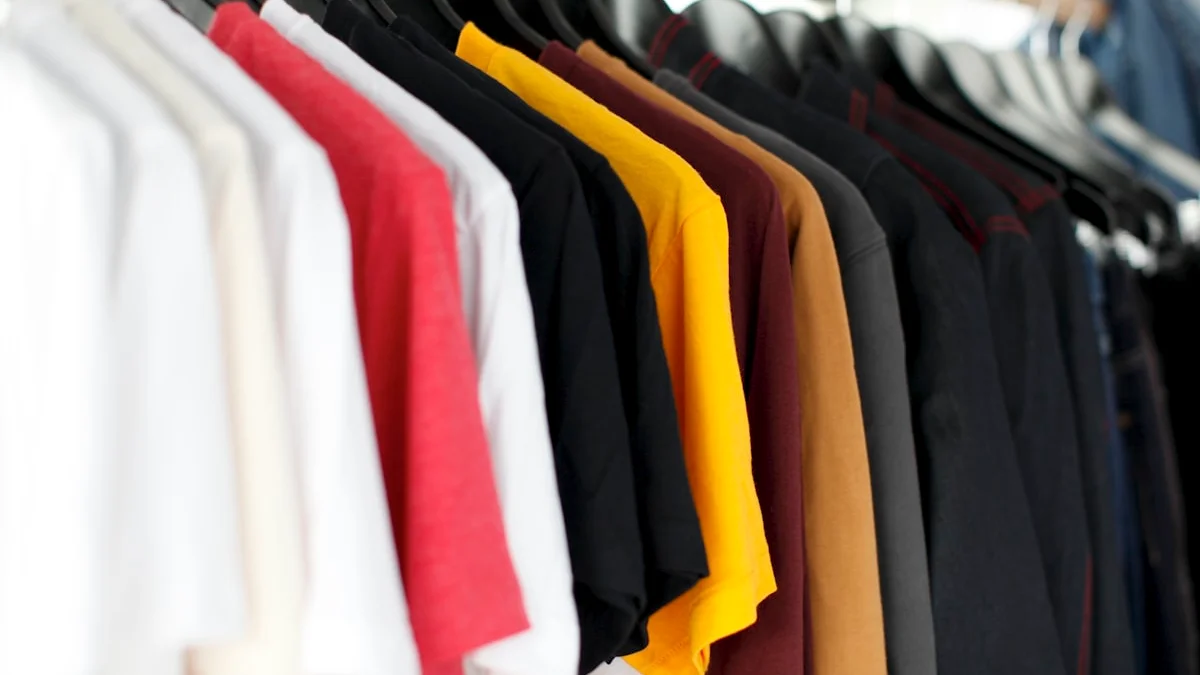
Shrink one menu. Fewer hangers in the closet, fewer apps on the first screen. Menus multiply quietly, and choice lives in menus. Pick the one that steals the most evenings and make it smaller this week.
You are allowed to stop re-deciding what’s already settled. None of this asks you to want less or become someone else. It closes questions that were never worth reopening, so the energy they used to leak stays where you can feel it.
What this looks like on an ordinary Tuesday
Tonight, close two open questions instead of scrolling: decide tomorrow’s outfit in ninety seconds, and write this week’s five dinners on a sticky note. That’s it. No system, no app.
Tomorrow morning, notice one thing: getting dressed is boring in the good way. The closet is the same; the question count is lower. At lunch, when someone asks where you want to eat, you might have an answer with feeling.
And when you catch yourself frozen over something tiny, treat it as information, not a verdict. You don’t need to push through it. You need fewer of the choices that made it heavy.
If you want the other side of this exhaustion, Why You’re Tired Without Doing Much explains tiredness that arrives without a hard day behind it, and Context Switching Is Killing Your Energy (Here’s How to Stop) shows where the same hidden cost sits in your workday. The overload cousin of this drain is Overstimulation: When the World Gets Too Loud; for the medicine of empty moments, Why Boredom Is Good for Your Nervous System; and if the fog has settled, Brain Fog: The Exhaustion Symptom Hiding in Plain Sight describes a chronically activated system from the inside.
When you’re ready for the complete practice, Quiet Core Reset lays out the quiet reset step by small step.
Frequently asked questions
Is decision fatigue the same as burnout?
No, though they travel together. Decision fatigue is an everyday drain that feeds deeper depletion, sitting upstream of recovery. If exhaustion persists no matter what you change, talk to a professional about it.
Doesn’t deciding less make life rigid or boring?
It makes it quieter, which is different. Defaults cover only questions you’ve answered the same way a hundred times. When the account isn’t empty by evening, it’s easier to say yes to something unplanned.
How many decisions a day is too many?
There’s no magic number, and counting them would become a chore of its own. Watch for the signal: when a trivial choice feels as heavy as a big one, the account is running low. It shows up in the evening first.
Can’t I just push through decision fatigue?
You can, the way you can push through hunger, but it spends the account you’ll need tomorrow. This state keeps the nervous system working long after the “work” is done. Reducing the count isn’t giving up. It’s choosing where the energy goes.
This article explains how the book describes decision fatigue and gentle ways to reduce daily choices. It is not medical advice. If overwhelm, brain fog, or exhaustion persist, consult a professional.