Breathing Techniques
Common Mistakes When Doing Breathing Exercises (and the Gentler Fix)
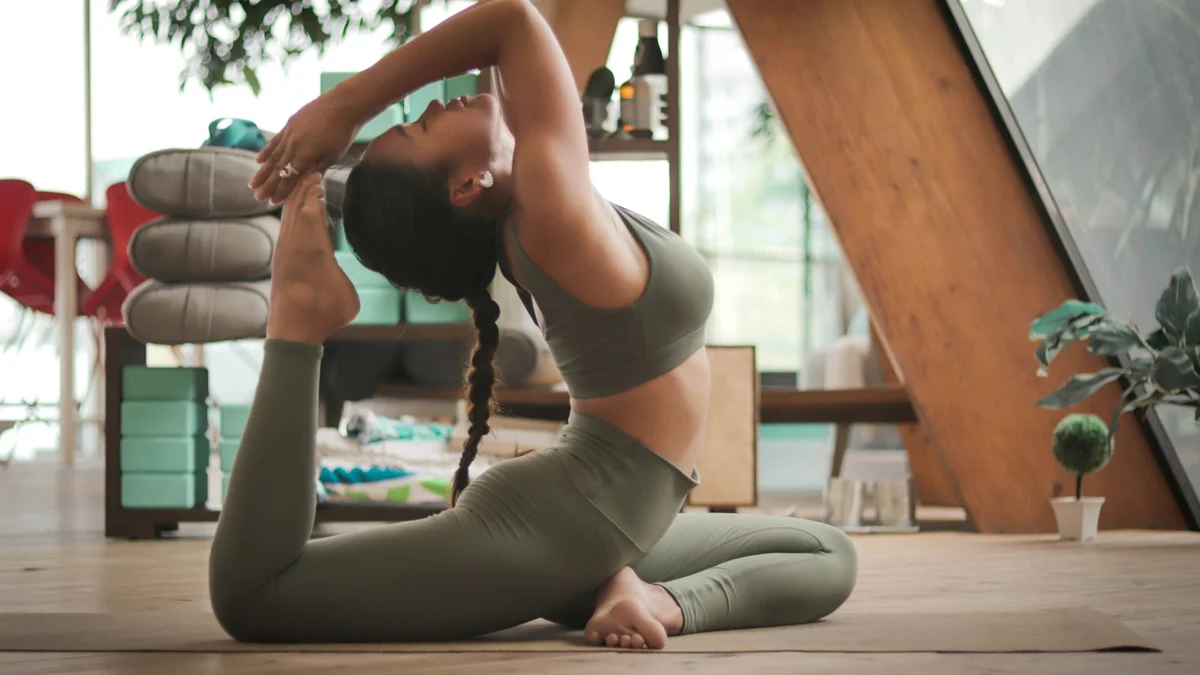
I have made every mistake on this list, usually several times a day. The good news is that each one has a simple, gentler fix. Common mistakes when doing breathing exercises are not a lack of discipline. They are the old habits of trying too hard, applied to the one practice that requires not trying at all. The breathing techniques guide covers the full practice; this article is the mistakes map.
Mistake 1: Forcing the relaxation
You sit down, breathe hard, and demand that your body calm down. The command itself is the problem. The book is explicit: breathing is not about forcing yourself to relax. It is about sending repeated safety signals to your nervous system so it can naturally down-regulate. Forcing activates the system you are trying to calm.
The fix: no goal. The breath is a signal, not a task. If you notice your shoulders rising with the effort, soften them. If the breath feels tight, breathe normally for a few cycles and return. The gentlest version, hand on the belly, one longer exhale, is the full practice, not a beginner version of it.
Mistake 2: Doing it perfectly
You count the seconds, check your posture, worry that the exhale is not long enough, and decide it was a failed session. The perfectionism kills the habit, and the book names the outcome precisely: instead of taking one minute to breathe slowly, people skip it entirely because “it won’t be enough anyway.”
The fix comes from the same place: you do not need to master complicated patterns. You only need to return to your breath gently, multiple times a day. A slightly uneven exhale is a successful exhale. Returning counts, and the counting is the whole practice.
Mistake 3: The long session instead of the small doses
You save breathing for a ten-minute block, do it once, feel nothing, and conclude it does not work. The book’s finding is the opposite of the instinct: the secret to making these techniques actually work is consistency in small doses rather than intensity. Doing sixty to ninety seconds of effective breathing several times throughout the day is far more beneficial than one long ten-minute session when you are already exhausted.
The fix: distribute. Three ninety-second moments beat one ten-minute one, and the distribution is the structure the book recommends for the whole day.
Mistake 4: Waiting for calm before you breathe
You decide to do the breathing when you feel calm, as a reward for a good moment. That is backwards. The practice is for the un-calm moments, and the book is direct: breathing is one of the fastest and most reliable ways to reconnect with your body and regulate your nervous system. It is the tool for the moment you need it, not the moment after.
The fix: use it early. The pattern is most effective when you catch the activation at the start, the tight jaw, the shallow breath, the spike after a message.
Mistake 5: Using only one technique
You found the extended exhale, it works, and you use it for everything, including the moments where a different pattern would serve better. The book gives you four tools for four jobs: the extended exhale for maintenance and sleep, the physiological sigh for sudden activation, box breathing for the mind that needs structure, and hand-on-belly for feeling safe and connected.
The fix: match the tool to the moment.
Mistake 6: Treating a missed week as failure
You breathe for ten days, then life happens, you miss a week, and the old voice says the practice does not work, or worse, that you cannot do it. Missed weeks are not verdicts. They are the shape of a human life, and the practice was designed for it.
The fix: return without self-criticism. The book’s frame for everything applies here with extra force: setbacks are data. A missed week tells you where the gaps were. It says nothing about your worth, and it says nothing about whether the breathing works. One breath now counts exactly as much as one breath would have counted last week. The plain-language breathing guide is there for the restart, and the FAQ answers the questions that come up in week two. And the why “just breathe” fails article clears the deepest misconception, that any breath is enough, before the pattern exists.
Most of the above trace back to one root: treating breathing as a mental project instead of a bodily signal. The fix for that is older than any technique: get your hands involved.
The hand-on-belly pattern, the hand on the chest, these exist because the hand gives your attention somewhere to land. The moment you feel the hand rise and fall, you are no longer managing the breath from your head. You are receiving it in your body. If you remember one thing from this article, make it that: not harder, not longer, not perfect. A hand, a belly, a longer exhale, and a return without self-criticism. That is the whole practice.
Key takeaways
- Forcing relaxation activates the very system you are calming.
- Perfectionism kills the habit; returning is the practice.
- Small doses beat long sessions: 60-90 seconds, several times a day.
- Use the breath early, in the moment you need it.
- A hand on the belly takes the practice out of your head and into your body.
Frequently asked questions
Is it normal to feel worse when I start?
Sometimes. If your body has been guarded for a long time, a slower breath can surface what the fast breath was holding down: tightness, old tension, even a wave of emotion. That is the signal landing, not the practice failing. Keep the doses small and the hand present, and let the system adjust at its own pace.
How do I know which mistake I am making?
Notice what you say about it. “It’s not working” points to the small-doses mistake or the perfectionism. “I don’t have time” points to waiting-for-calm. “I can’t do it” is the missed-week voice. Each sentence names its own fix.
Do breathing exercises ever stop working?
The techniques do not stop working, but they can stop being noticed, because the regulation becomes your baseline. That is success, not failure. The breath still does the work; you simply do not register the shift the way you did in week one.
What if I feel dizzy?
Stop and breathe normally. The book is explicit about the boundary, and so is this article: if dizziness, panic, or anything uncomfortable occurs, stop and consult a professional if it persists. Breathing should feel like a floor, not like an exercise.
The practice was never designed for perfection. It was designed for return: many small, kind returns to the breath over the course of the day, until the return becomes the rhythm. The full breathing practice and the mistakes map are in Quiet Core Reset - written for people who have tried to do everything right and are ready for the version that only asks for return.
This article explains breathing techniques as described in the book. It is not medical advice. If you have a respiratory or cardiac condition, or if dizziness, panic, or other symptoms occur, stop and consult a professional.