Breathing Techniques
Breathing Techniques That Calm Your Nervous System: A Plain-English Guide
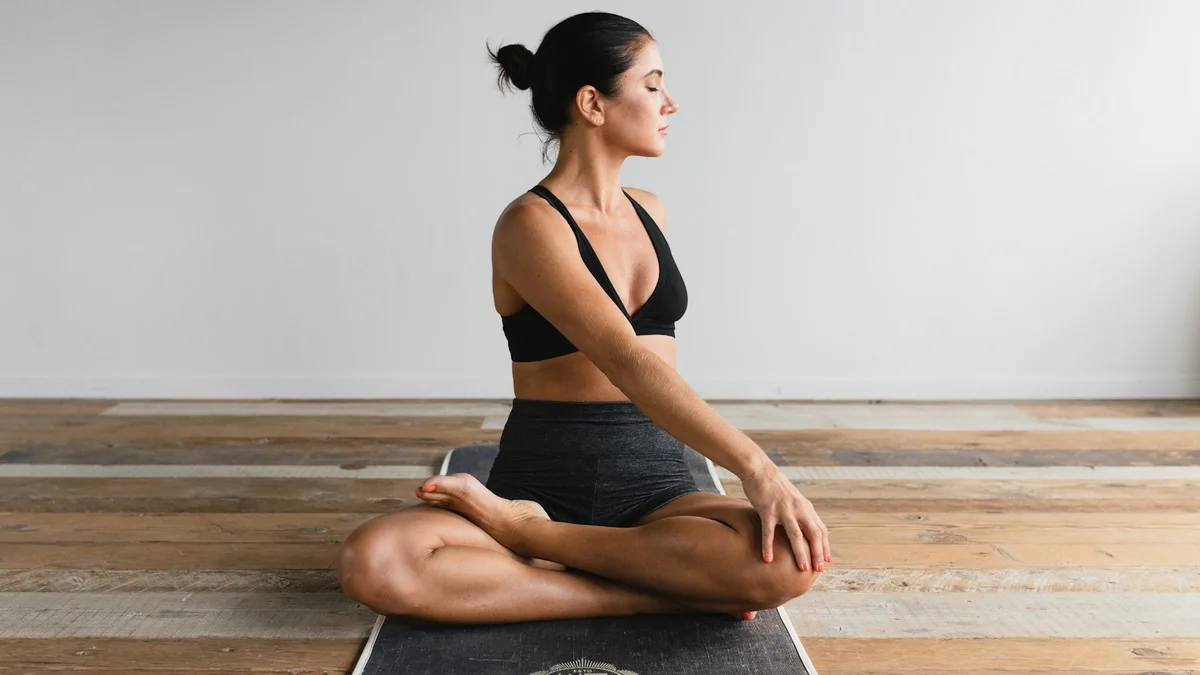
You have been told to “just breathe” a hundred times, and it never worked, because nobody showed you how. The breathing techniques that actually calm a nervous system are not complicated, long, or mystical. They are simple, short, and built around one idea: sending repeated safety signals so the body can settle on its own. The book Quiet Core Reset keeps it plain, and our breathing techniques guide holds the full picture. This article is the plain-English version.
Why breathing works
The book opens with a claim that sounds too simple to be true: “One of the fastest and most reliable ways to reconnect with your body and regulate your nervous system is through breathing.” Fast, reliable, and free. It works because breathing is one of the few functions you can influence on purpose that the nervous system also runs automatically. The book calls it a bridge: “Breathing is one of the few bridges that directly connects your conscious mind with your autonomic nervous system.”
That is why it matters so much. You cannot decide your heart rate down, but you can change your breathing, and the nervous system follows.
Not all breathing exercises are equal
Here is the warning that saves you years of frustration. “The truth is that not all breathing exercises are equally effective. Many popular techniques are too complicated, too long, or actually increase anxiety when you’re already overwhelmed.”
If you have ever tried an elaborate breathwork routine while stressed and ended up more anxious, that was not your failure. The technique was wrong for the situation. The book’s correction: “The most helpful breathing practices are simple, short, and focused on creating a feeling of safety rather than forcing relaxation.” Simple. Short. Safety. Those three words are the whole standard.
The four techniques that actually work
The book gives four core techniques. You do not need all of them. You need one you can remember, used several times a day.
The extended exhale (4 in, 6 to 8 out). “Inhale gently through the nose for a count of 4, then exhale slowly through the mouth or nose for a count of 6 to 8. The longer exhale activates the parasympathetic nervous system (rest and digest).” This is the most useful all-around technique: invisible in a meeting, gentle before sleep, and it takes less than a minute.
The physiological sigh (double inhale, long exhale). “Take a deep inhale through the nose, followed immediately by a second, shorter ‘top-up’ inhale, then release a long, slow exhale. Repeat 2-3 times. This technique rapidly lowers heart rate and cortisol levels.” This is the fastest acute reset, developed by neuroscientist Andrew Huberman, and it works in seconds.
Box breathing with a soft gaze (4-4-4-4). “Inhale for 4 counts, hold for 4, exhale for 4, hold for 4. While doing this, keep your eyes soft and slightly unfocused. This helps both the body and the mind settle.” The soft gaze matters: it keeps the mind from gripping while the rhythm does its work.
Hand on the belly (the safety breath). “Place one hand on your lower belly and breathe so that your hand gently rises and falls with each breath. Focus on making the exhale longer than the inhale. This activates the ventral vagal system, the part responsible for feeling safe and connected.” This one is for the moments when you are stuck in your head and need a way back into your body.
The secret is consistency, not intensity
The single biggest mistake people make is treating breathing like a workout: one long, impressive session, then nothing. The book’s math is the opposite. “The secret to making these techniques actually work is consistency in small doses rather than intensity.” Doing 60 to 90 seconds of effective breathing several times throughout the day beats one 10-minute session when you are already exhausted.
Think of it as watering a plant rather than flooding a garden. Small, frequent, gentle. The nervous system learns from repetition, and repetition means several short moments a day, not one heroic moment a week.
What this is not
The book is explicit about what breathing techniques are not: “Breathing is not about forcing yourself to relax. It is about sending repeated safety signals to your nervous system so it can naturally down-regulate.”
You are not forcing anything. You are not achieving a state. You are sending a message, again and again, until the system hears it. This is also why these short practices work for people who “can’t meditate”: “Many people who previously felt ‘I can’t meditate’ or ‘breathing doesn’t work for me’ are surprised by how effective these short, practical techniques become once they stop trying to do them perfectly and simply use them as gentle tools for regulation.”
The last line of the book’s breathing section is the whole philosophy: “You don’t need to master complicated patterns. You only need to return to your breath gently, multiple times a day, and let it guide you back home to your body.”
If you want the step-by-step for the single most useful technique, extended exhale breathing explained goes deeper. For the one that works in thirty seconds, box breathing for beginners has you covered. And the myths that keep people stuck in the wrong approach are cleared in breathwork myths. The fastest single reset of all, the physiological sigh, has its own full guide at the physiological sigh.
Key takeaways
- Breathing is a bridge between your conscious mind and your nervous system.
- The best practices are simple, short, and focused on safety, not forced relaxation.
- Four techniques: extended exhale, physiological sigh, box breathing, hand on belly.
- Consistency in small doses beats intense long sessions.
- You do not need perfect technique. You need gentle, repeated returns.
Frequently asked questions
How often should I practice breathing techniques?
Several times a day, in short doses. The book’s guideline is 60 to 90 seconds, repeated, rather than one long session. The rhythm matters more than the length: morning, before a hard conversation, after a difficult call, before sleep.
What if I feel more anxious when I try to breathe?
That is a sign the technique was too complicated or you were forcing it. The book is explicit that some popular exercises increase anxiety when you are already overwhelmed. Drop back to the simplest thing: one extended exhale, in for 4, out for 6 to 8.
Do I need to master all four techniques?
No. One reliable technique, repeated, beats four attempted. The book says you do not need to master complicated patterns. Pick the one that fits your day and use it until it feels like nothing.
Can breathing techniques help with panic or dizziness?
They are not a treatment and not medical advice. If you have a respiratory or cardiac condition, or if dizziness, panic, or other symptoms occur, stop and consult a professional. The practices here are educational, gentle tools for normal regulation.
This article explains breathing techniques as described in the book. It is not medical advice. If you have a respiratory or cardiac condition, or if dizziness, panic, or other symptoms occur, stop and consult a professional.
Quiet Core Reset, the book that started this conversation.