Breathing Techniques
Breathing Techniques: 12 Questions, Answered
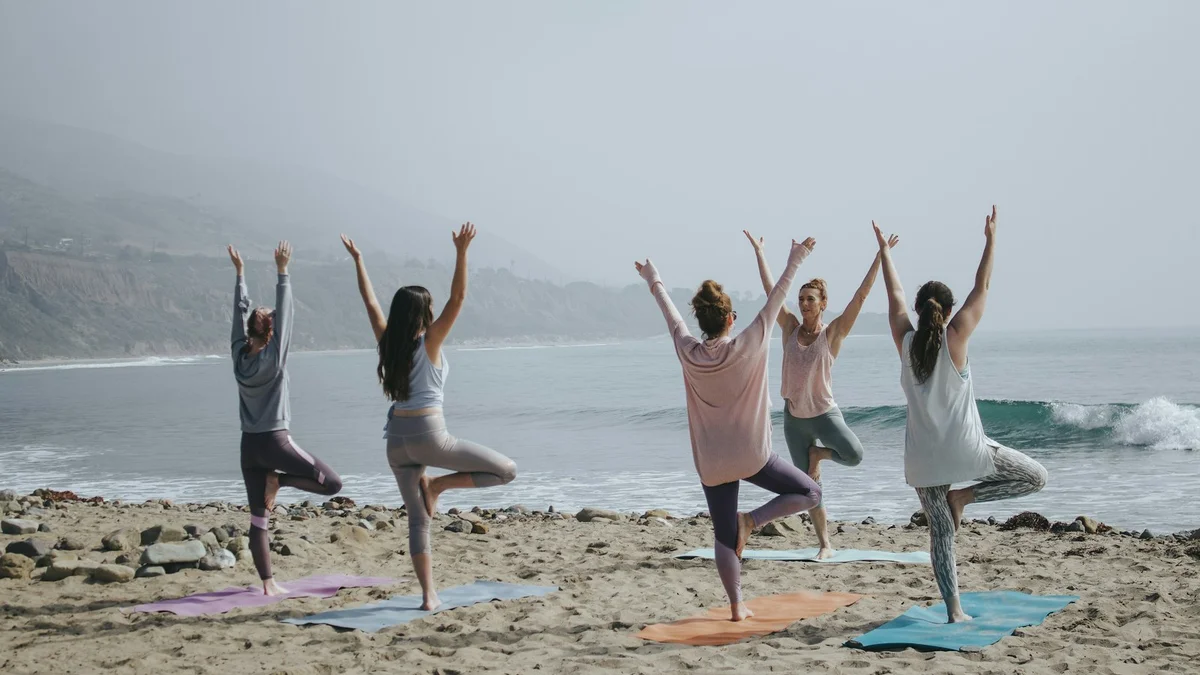
People send me a lot of questions about breathing techniques. The same ones come up again and again, which tells me the basics are not being explained clearly enough.
This article collects the twelve most common ones. No jargon, no padding. The complete breathing techniques guide has the full practice library and the science. This is the quick-reference version.
1. Do breathing techniques actually work?
Yes, and the book is confident about it: breathing is one of the fastest and most reliable ways to reconnect with your body and regulate your nervous system. The mechanism is not mystical. The longer exhale activates the parasympathetic nervous system, rest and digest, and the physiological sigh rapidly lowers heart rate and cortisol. The tools are biological, and they work whether or not you believe in them. The plain-English guide walks through all four without jargon.
2. Which technique should I start with?
The extended exhale is the best all-round start: inhale gently through the nose for a count of four, exhale slowly for a count of six to eight. It is simple, invisible, and useful everywhere. The book recommends it for before meetings, after difficult conversations, and before sleep. If you want the full comparison, the cheat sheet matches each technique to its best moments.
3. What is the physiological sigh?
It is a double inhale through the nose, a deep one followed immediately by a second shorter “top-up” inhale, then a long slow exhale, repeated two or three times. The book credits neuroscientist Andrew Huberman’s work on it and describes it as rapidly lowering heart rate and cortisol. It is the fastest acute reset in the library, designed for sudden activation. The step-by-step post has the full version.
4. Why does the longer exhale calm me down?
Because the exhale is the brake. The book puts the physiology simply: inhale gently for four, exhale slowly for six to eight, and the longer exhale activates the parasympathetic nervous system, rest and digest. Every exhale slightly slows the heart; a longer exhale means more brake. You are not convincing yourself to calm down. You are applying the mechanism the body already has.
5. How long do I need to breathe each day?
Less than you think. The book is precise: sixty to ninety seconds of effective breathing several times throughout the day is far more beneficial than one long ten-minute session. The practice is distribution, not duration. Three ninety-second moments attached to moments you already have beats one heroic session you will skip.
6. I feel nothing. Am I doing it wrong?
No. The signals compound silently, and the first week often produces nothing you can name. The book’s testimony is the same: people who thought “breathing doesn’t work for me” are surprised by how effective the short, practical techniques become once they stop trying to do them perfectly. If you feel nothing, you are probably doing it right. The shift arrives in weeks, not sessions.
7. Can breathing help me sleep?
Yes, and it is one of the book’s most reliable claims: you fall asleep faster and experience deeper rest. The evening version is the extended exhale with a hand on the belly, five minutes after a warm shower. The longer exhale moves the system toward rest and digest, which is the state sleep actually needs.
8. Is breathing the same as meditation?
No, and for many people that is exactly why it works. Meditation asks you to hold attention and let thoughts pass. Breathing gives you a concrete pattern, a number to follow (4 in, 6-8 out, 4-4-4-4), which is much easier for a racing mind. People who “can’t meditate” often can breathe, because the breath gives the mind something to do instead of asking it to go quiet.
9. When should I use the sigh versus the exhale?
The exhale is for the everyday: the meeting, the gap, the evening. The sigh is for the sudden: the email that spiked you, the wave of irritation, the moment you feel the chest tighten. Match the intensity of the tool to the intensity of the activation. The which-technique cheat sheet makes the matching explicit.
10. Why is my breathing shallow under stress?
Because shallow breathing is what an activated body does. The book lists it among the early signals: how your breathing becomes shallow when you feel pressured, the tight chest, the sighs. The breath is an early-warning system, and catching it early is the whole skill.
11. Is box breathing better than the extended exhale?
Neither is better; they have different jobs. The extended exhale is the maintenance pattern: invisible, for gaps and sleep. Box breathing, four counts in, hold, out, hold, done with a soft gaze, is the structure pattern, the one for a mind that needs a shape. The book presents both as tools, and the plain-English guide explains how they fit together.
12. What is the one thing to do if I do nothing else?
One hand on your belly and one longer exhale. Sixty seconds. Make the exhale longer than the inhale, feel the hand rise and fall, repeat a few times a day. That is the entire minimum viable practice, and it is enough to begin. Every other technique builds on this one, and the breathwork myths article clears the doubts that will try to talk you out of it.
Key takeaways
- Breathing is biological; the longer exhale is the brake.
- Sixty to ninety seconds, several times a day, beats one long session.
- The sigh for sudden activation, the exhale for everything else.
- Feeling nothing in week one is normal; the shifts compound silently.
- The minimum viable practice: one hand, one longer exhale, sixty seconds.
Frequently asked questions
Is it normal to feel a little lightheaded?
Occasionally, especially if you are new or breathing deeply. The book’s instruction is to keep the practice gentle and stop if anything feels wrong. If dizziness, panic, or other symptoms occur, stop and consult a professional. Breathing should feel like a floor, not like an exercise.
How fast will I see results?
Some results are immediate: the sigh lowers activation in about thirty seconds, and a longer exhale before a hard moment changes how you walk in. The deeper shifts, the steadier baseline, arrive in weeks of small doses. The book’s whole case is consistency, not intensity.
Can children and seniors use these techniques?
The techniques are gentle and generally appropriate, but the book is not a medical text, and this article is not advice for specific populations. The safest guidance: keep it short, keep it gentle, and check with a professional if there is any respiratory or cardiac condition in the picture.
Are breathing techniques a replacement for treatment?
No. The book is careful about the boundary: breathing is a practice, a bridge, a support. If anxiety, panic, or sleep problems are persistent or severe, professional help is the right conversation, and breathing can support whatever you do with them. This article is educational, not medical advice.
That is the quick-reference version. The full practice library, the science, and the step-by-step versions of all four techniques are in Quiet Core Reset - written for people who want the evidence and the patterns, without the hype.
This article explains breathing techniques as described in the book. It is not medical advice. If you have a respiratory or cardiac condition, or if dizziness, panic, or other symptoms occur, stop and consult a professional.