Attention Fragmentation
Before You Scroll: A 5-Second Pause That Changes Everything
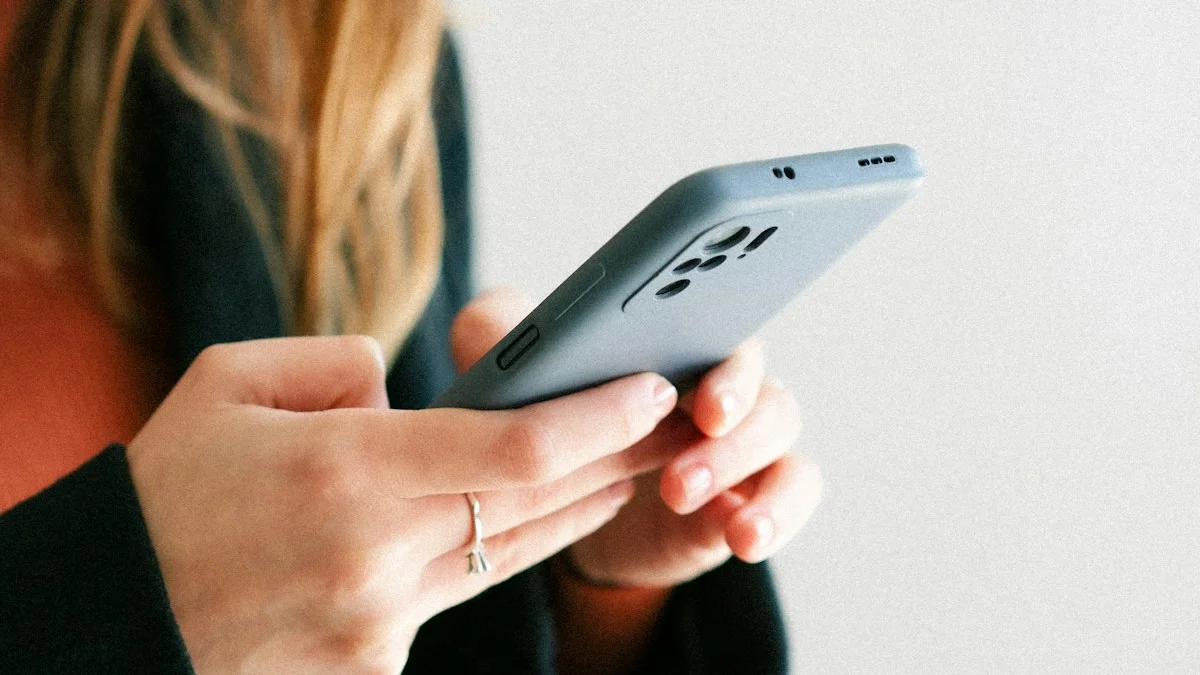
You’re waiting in a line. Your hand moves toward your pocket. You don’t decide to reach. The reach just happens. By the time you’re conscious of it, the phone is in your hand and the app is open.
That’s the pattern. Impulse, action, consumption. No gap. No choice. Just automatic reaching.
The 5-second pause changes this. It’s the smallest possible intervention - five seconds of awareness between the impulse and the action. In those five seconds, you create space for choice. And in that space, everything changes.
This article explains the 5-second pause and how to practice it. It’s one small practice within our broader attention fragmentation guide.
Why the pause works
The pause works because it interrupts the automatic loop.
The loop is: trigger (boredom, anxiety, waiting) → impulse (reach for phone) → action (check) → temporary relief → next trigger. The loop is fast. It happens below conscious awareness. By the time you notice, you’re already scrolling.
The pause inserts a moment of awareness between the impulse and the action. In that moment, you can:
- Notice the impulse without acting on it
- Ask a question about what you really need
- Choose a different response
The pause doesn’t require willpower. It requires awareness. And awareness is a skill that develops with practice.
The practice
The practice is simple:
Step one: notice the reach. When you feel the impulse to check your phone, notice it. Don’t fight it. Don’t judge it. Just notice: “There’s the urge.”
Step two: pause for 5 seconds. Stop. Don’t reach. Don’t check. Just pause. Five seconds. The phone stays in your pocket. The app stays closed.
Step three: ask the question. In those 5 seconds, ask yourself: “What am I hoping to get from this right now?” The question is honest, not accusatory. You’re not scolding yourself for wanting to check. You’re asking what you actually need.
Step four: notice the answer. The answer might be:
- “I’m bored.” → The phone is an escape from boredom.
- “I’m anxious.” → The phone is a numbing tool.
- “I’m waiting.” → The phone fills empty time.
- “I need something specific.” → The phone is a tool for a real purpose.
Step five: choose. Based on the answer, choose. If the need is real (a message to send, information to find), check the phone. If the need is escape (boredom, anxiety, habit), choose something else. A breath. A look around. A moment of quiet.
The book describes this practice: “Before opening an app, pause for 5-10 seconds and ask: ‘What am I hoping to get from this right now?’ If the honest answer is ‘distraction,’ ‘avoidance,’ or ‘numbing,’ you have the opportunity to choose something more nourishing instead.”
What the pause reveals
The pause reveals the pattern. When you start noticing the impulses, you see them everywhere.
You notice that you reach for your phone when you’re bored. When you’re anxious. When you’re waiting. When you’re uncomfortable. When you’re avoiding something. When you’re avoiding someone. When you’re avoiding yourself.
The noticing isn’t negative. It’s informative. It shows you where the digital world has filled gaps that used to be empty. It shows you where your nervous system has learned to seek stimulation instead of sitting with what’s there.
The book notes: “The beauty of mindful consumption is that it builds self-trust.”
The pause builds that trust. Each time you pause and choose consciously, you prove to yourself that you have agency. That you’re not just a bundle of impulses. That you can choose.
Starting small
You don’t have to pause before every phone use. Start with one moment per day.
Pick one trigger - waiting in line, sitting on the bus, the moment before bed - and practice the pause there. Just once. Just 5 seconds. Just awareness.
The pause is small. The effect is not. Over time, the pause expands. You start pausing in more moments. The automatic reaching diminishes. The conscious choosing increases. If you want a longer walkthrough of the same practice, our 5-second pause guide goes deeper.
The book emphasizes that this is practice, not perfection. You’ll still reach for your phone sometimes. The goal isn’t to never scroll. It’s to choose when you scroll instead of doing it automatically.
What changes when you pause
Something shifts when you practice the pause consistently.
The automatic reaching decreases. The habit weakens as awareness increases. You reach less often because you’re choosing more often.
The consumption becomes intentional. When you do check your phone, it’s because you chose to. The scrolling feels different - purposeful instead of mindless.
The guilt decreases. The nagging feeling that you’re wasting time diminishes. You’re not wasting time. You’re choosing how to spend it.
The calm increases. The constant low-level activation from automatic checking diminishes. The nervous system settles. Part of that calm comes from carrying less attention residue from each interrupted moment, and from learning why scrolling isn’t resting so you can pick recovery that actually restores you.
The self-trust builds. Each conscious choice reinforces the belief that you have agency. That you’re not controlled by your impulses. That you can choose.
The book promises: “The beauty of mindful consumption is that it builds self-trust.”
The pause is where that trust begins.
Key takeaways
- The 5-second pause interrupts the automatic loop between impulse and action.
- Notice the reach, pause for 5 seconds, ask “What am I hoping to get from this?”, notice the answer, and choose.
- The pause reveals the pattern: boredom, anxiety, waiting, avoidance, habit.
- Start with one moment per day. The pause expands naturally with practice.
- The pause builds self-trust, reduces automatic consumption, and increases calm.
Frequently asked questions
What if I still check my phone after the pause?
That’s okay. The pause isn’t about never checking. It’s about choosing instead of reacting. If you pause and then check, you’ve still interrupted the automatic loop. The choice was conscious. That’s progress.
How long does it take for the pause to become automatic?
Most people notice the pause becoming more natural within 1 to 2 weeks. The impulse to check diminishes as awareness increases. The full habit change takes about 30 days of consistent practice.
Can I use this for other habits, not just phones?
Yes. The pause works for any automatic behavior - reaching for snacks, opening social media, checking email. The principle is the same: notice the impulse, pause, ask the question, choose.
What if I don’t have 5 seconds?
You do. The pause takes less time than checking the phone. Five seconds is generous - even 2 seconds of awareness creates the gap. The time is not the barrier. The awareness is.
Is this the same as mindfulness?
The pause is a form of mindfulness - the practice of being aware of your impulses without automatically acting on them. It’s informal mindfulness embedded in daily life, not formal meditation practice.
Not medical advice. If phone use feels compulsive, out of control, or significantly impacting your daily functioning, consider speaking with a licensed healthcare professional.