Sleep Recovery
Sleep Recovery vs. Sleep Hygiene: Which One Actually Restores You?
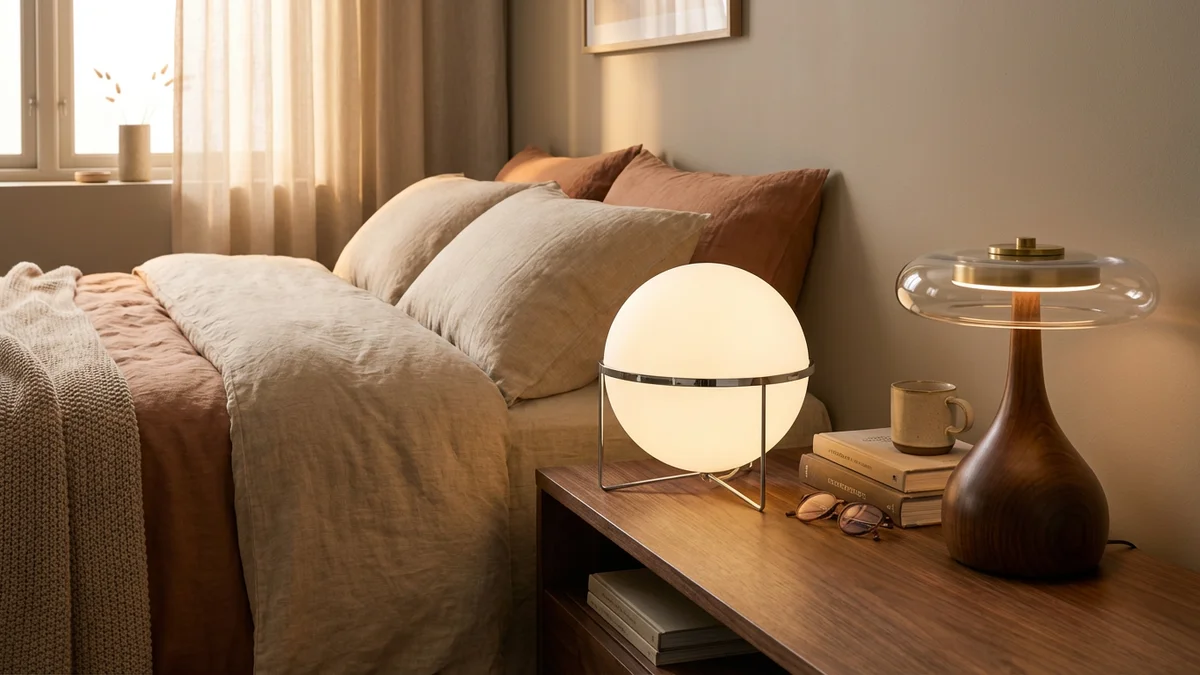
You have done the checklist. Blackout curtains. The cool, quiet, tastefully dim bedroom. No coffee after noon, a mattress with more research behind it than your car. And yet here you are at 3 p.m. again, foggy behind the eyes, and there you were at 3 a.m. again, awake and quiet and completely unrested. It is a particular kind of discouragement - you followed the rules, and the rules did not deliver.
If that is where you are, the missing piece is probably not better hygiene. It is a different category entirely. Sleep hygiene manages the conditions around sleep. Sleep recovery works on the state of the nervous system that has to actually fall asleep - and the difference between those two is the difference between a bedroom that invites rest and a body that cannot accept the invitation.
This post compares the two honestly: what each one does, what each one cannot do, and how to tell which one your nights are asking for. It draws on the book’s approach to sleep recovery, which is laid out in full in the sleep recovery guide.
Key takeaways
- Sleep hygiene manages your environment and habits; sleep recovery works on the nervous system state that determines whether sleep actually repairs you.
- A perfect bedroom cannot compensate for a body that stays in low-grade activation all evening.
- The clearest sign you need recovery, not more hygiene: the bedroom is already right and the sleep is still shallow.
- You do not have to choose. Recovery inside a decent routine beats either one alone.
Two different questions
Sleep hygiene asks one question: is your environment and routine set up for sleep? It is a checklist question. Cool room, dark room, consistent hours, caffeine early, screens managed. Useful questions, all of them.
Sleep recovery asks a different question: can your nervous system actually enter the state where sleep does its repair work? Not is the room right - is the body willing. When you lie down, does the heart rate come down, do the shoulders unclench, do the repair systems take over? Or does a body built for bracing spend the night bracing in the dark?
The book’s frame for that state is rest and digest - the parasympathetic mode where the heart slows, muscles release, and hormones that promote repair are finally released. Real recovery happens there. All the hygiene in the world cannot do the work that happens in that state; it can only set the stage for it.
What sleep hygiene gets right
To be clear, hygiene is not the villain here, and this is not a case for ripping out your blackout curtains. Hygiene earns its reputation. Light and dark genuinely shape the sleep clock. A consistent wind-down gives the body cues. Caffeine timing matters. A bedroom that belongs to sleep and nothing else is a real advantage.
Think of hygiene as the container. It removes friction, reduces avoidable disruptions, and tells the body, in a hundred small ways, that night is coming. If your sleep problems track clearly with fixable conditions - the late espresso, the bright screen an inch from your face, the room like a greenhouse - hygiene will genuinely fix them, and it is worth letting it.
The trouble starts when hygiene is offered as the complete answer to a problem it cannot reach.
Where hygiene stops short
Here is the gap, in the book’s own words: “Your sleep feels lighter even when you’re in bed for enough hours.” Lighter sleep is precisely the failure mode that no amount of curtain-buying addresses, because light sleep is not caused by a wrong environment. It is caused by a nervous system that never fully stood down - one that spent the evening in low-grade activation and carried it under the covers.
The book names the result precisely too: “You may fall asleep easily, but you wake up still feeling tired because your body never fully entered deep recovery during the night.” Notice what that sentence rules out. Falling asleep is not the problem. Hours in bed are not the problem. The problem is that the repair state was never entered, so the night produced rest’s appearance without rest’s substance.
There is a daytime version of the same trap: an evening of streaming feels like rest, and registers afterward as almost nothing. If your evenings off leave you somehow still drained, the signs of fake rest will look familiar - passive input keeps the system mildly switched on, which is why it is not the same as recovery.
What sleep recovery adds
Where hygiene arranges the room, recovery works on the state. The practices are bodily and small: long, slow exhales that ease the heart rate down; a hand on the belly; a body scan in bed; a short, repeatable evening anchor that tells the nervous system the day is over and it is safe to stand down; the phone in another room as a spatial boundary rather than a moral test. None of it is complicated, and none of it is a rule about clock times.
The underlying logic is safety. A nervous system that has spent all day bracing does not enter deep repair because a checklist told it to. It enters when it receives, repeatedly, the physical message that the threat has passed. That is what the evening anchor, the exhale, and the quiet room-without-a-phone all are at bottom: messages, delivered through the body.
This is also why recovery explains something hygiene cannot: why two people can share a bedroom and identical routine, and one wakes restored while the other wakes depleted. Same container. Different state.
How to tell which one your nights need
A simple sort. If your sleep falls apart mainly under wrong conditions - noise, heat, late coffee, a wildly shifting bedtime - your problem is largely hygiene, and hygiene will fix it. Do the checklist; it works for what it works for.
If your conditions are already good and you still wake unrefreshed - if you fall asleep fine and surface tired, if sleep feels thin no matter how many hours it gets - that is the signature of a nervous system that never entered recovery, and more hygiene will mostly buy you a very restful-looking room with the same tired morning inside it. That is the moment recovery becomes the more useful investment.
And if your fatigue runs deeper than either - if sleep itself no longer touches the exhaustion - that points to something else again, and why sleep alone does not fix fatigue explains that distinction, including the line between ordinary tiredness and depletion. Persistent exhaustion of any kind deserves a professional’s eyes.
Do you have to choose?
No, and the pairing is the point. Hygiene gives recovery a container; recovery gives hygiene a mechanism. The evening routine you may already have - dim lights, tea, a set winding-down hour - becomes far more powerful with three minutes of long exhales inside it, because now it is not just a cue. It is the practice.
Keep the curtains. Keep the reasonable bedtime, loosely held. Add the state work: the anchor, the breath, the body scan, the phone parked elsewhere without ceremony. If you want to keep pressure off yourself while you sort out what your nights need, the common myths about sleep recovery are worth a read, and why you feel tired but wired explains the state itself - drained yet unable to settle - that recovery practices are built to shift.
Frequently asked questions
Is sleep hygiene useless, then?
Not at all. It is necessary and often not sufficient. Hygiene removes avoidable friction from the night; recovery addresses the state of the system doing the sleeping. Most people whose bedrooms are already fine are missing the second part, not the first.
Which should I start with if I am new to all of this?
If your room and caffeine habits are already reasonable, start with recovery: one evening anchor and one breathing practice, kept small for two weeks. If your conditions are chaotic, fix the two most obvious hygiene items first - they are quick wins - then add the state work.
Does sleep recovery require gadgets, apps, or tracking?
No. The book’s practices run entirely on your own body: breath, touch, attention, and repetition. You can notice improved recovery the way you notice any good night - by how the morning feels - without a single device or metric.
Can hygiene and recovery conflict?
Rarely, and only in spirit: hygiene can harden into rigid rules that add evening stress, which works against the state you are trying to build. Keep the routines loose. A calm, imperfect evening beats a tense, optimal one.
If you want to understand the nervous system behind all of this - and rebuild nights that actually restore you - that is the work the book Quiet Core Reset walks you through.
Educational content, not medical advice - if sleep problems or exhaustion persist, please consult a professional.