Digital Overload
10 Signs Your Phone Is Draining Your Energy
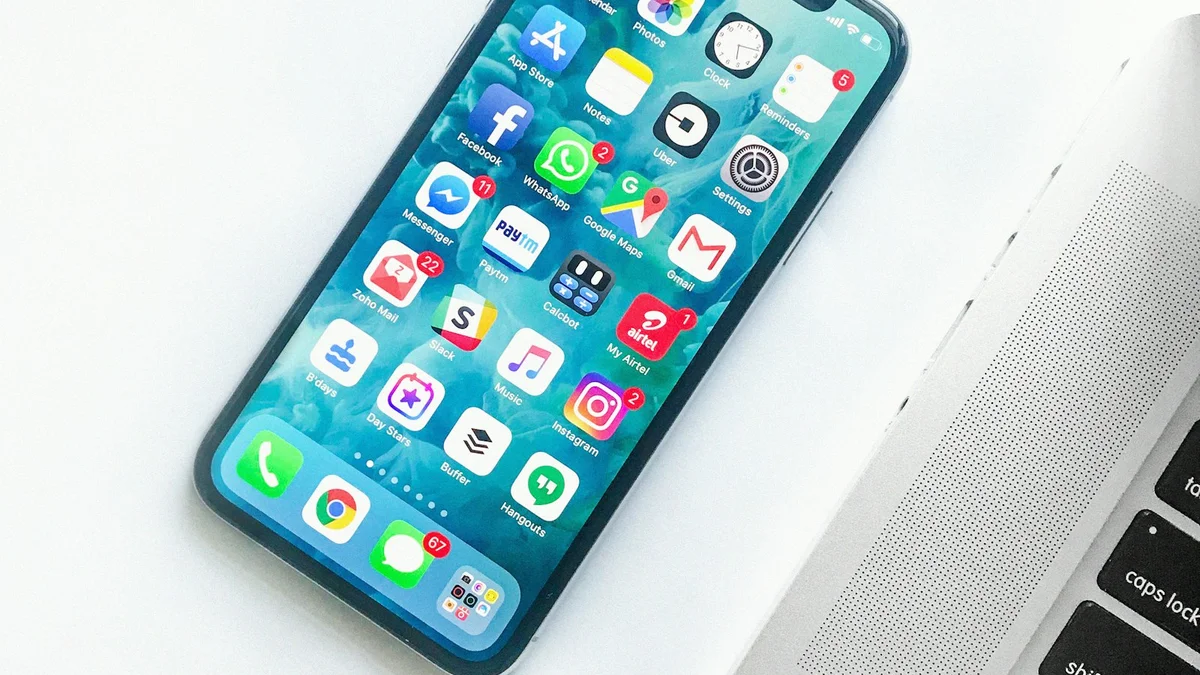
You don’t feel great after scrolling. You know that much.
But you might not realize how much your phone is actually costing you - not just in time, but in energy, focus, sleep, and peace.
Digital overload doesn’t announce itself. It creeps in through hundreds of tiny moments: a notification here, a quick scroll there, “just checking” something. Each one feels harmless. Together, they drain you.
Here are 10 signs that your phone is taking more than it’s giving. If you recognize several of these, you’re not alone - and you’re not broken. You’re just living in an environment designed to capture your attention.
For a complete overview, see our digital overload guide.
Key takeaways
- Feeling tired without a busy day is often screen fatigue, not laziness.
- Scrolling keeps your nervous system mildly activated, so rest never fully lands.
- Watch for the quiet signs: compulsive morning checks, joyless scrolling, worse sleep.
- Small shifts - protected mornings, fewer notifications - are enough to start reversing the drain.
Sign 1: You Feel Tired Without Doing Much
You didn’t have a busy day. Maybe you worked from home. Maybe it was a weekend. But by evening, you’re exhausted.
What happened?
The book calls this “mental tiredness without doing much.” The culprit is digital stimulation - hours of low-level nervous system activation that leaves you drained.
You were still. Your brain was not.
Sign 2: You Check Your Phone First Thing in the Morning
Before you get out of bed, before you brush your teeth, before you say good morning to anyone - you check your phone.
This isn’t a character flaw. It’s a habit - and a powerful one. Your brain has learned that the first thing it needs is information: messages, news, notifications.
But starting your day this way puts you in reaction mode immediately. You’re responding to other people’s agendas before you’ve established your own.
Sign 3: You Can’t Focus Like You Used To
You sit down to work and reach for your phone within minutes. You read a paragraph and realize you didn’t absorb it. You start a task and find yourself checking something else.
The book explains that every interruption creates “attention residue” - even after you put your phone down, part of your mind stays on what you just saw.
Your focus isn’t broken. It’s fragmented - pulled in dozens of directions by digital interruptions.
Sign 4: Your Evenings Disappear
You plan to “relax with your phone for a few minutes.” An hour later, you’re still scrolling.
You tell yourself you’ll stop after this video. Then this post. Then this thread.
The book describes what’s happening: “Your body may be resting physically, but your nervous system has remained in a state of mild activation the entire time. Deep, restorative rest never truly occurs.”
You’re not relaxing. You’re consuming. And the difference matters.
Sign 5: You Feel Anxious Without Your Phone
If you leave your phone in another room, you feel uneasy. If you forget it at home, you feel exposed.
This isn’t just preference. It’s dependence - and it’s worth noticing.
The book suggests this as a question: “When you’re phone-free, do you feel free - or anxious?”
If the answer is anxious, your phone has become more than a tool. It’s become a security blanket.
Sign 6: You Scroll Without Enjoying It
You’re not watching anything interesting. You’re not learning anything useful. You’re not connecting with anyone meaningful.
You’re just… scrolling.
The book identifies this as “mindless scrolling” - use without purpose or pleasure. It’s the digital equivalent of eating when you’re not hungry.
You’re doing it because the habit is stronger than the enjoyment.
Sign 7: You Compare Yourself to Others More Than Before
Social media shows you curated versions of other people’s lives. You see their achievements, their vacations, their perfect families - and you feel worse about your own.
This isn’t new. But the volume is. You’re exposed to hundreds of comparisons every day - most of them unconscious.
The book notes that this contributes to the “mental tiredness without doing much.” Your brain is processing comparisons you didn’t ask for and don’t need.
Sign 8: Your Sleep Has Deteriorated
You lie in bed with your phone. You tell yourself you’ll sleep “in a minute.” That minute becomes twenty.
Even if you fall asleep on time, the quality suffers. Blue light affects melatonin. Scrolling activates your nervous system. The book says: “Deep, restorative rest never truly occurs.”
You wake up tired. Not because you didn’t sleep enough - because you didn’t sleep well.
Sign 9: You Feel Disconnected Despite Being Connected
You can text anyone in the world. You can see what your friends are doing. You can join any conversation.
But when was the last time you felt truly present? With a person? With yourself?
The book describes the paradox: “This fragmentation creates a strange paradox: we are more digitally connected than ever before, yet many of us feel increasingly disconnected from ourselves, our bodies, and the present moment.”
Connection isn’t the same as presence. Your phone gives you the first. You need the second.
Sign 10: You Know Something Is Off But Can’t Name It
There’s a vague sense that something isn’t right. You’re not depressed exactly. You’re not anxious exactly. You’re just… not quite yourself.
You feel scattered. Unfocused. A little empty. A little tired.
The book puts it simply: “In today’s world, one of the most powerful yet invisible drains on your Quiet Core is the constant fragmentation of your attention caused by screens, notifications, and digital devices.”
Digital overload is invisible. It doesn’t show up as a dramatic breakdown. It shows up as a slow erosion of your energy, focus, and presence.
What These Signs Mean
If you recognized yourself in several of these signs, don’t panic. You’re not broken. You’re living in an environment that makes digital overload nearly inevitable.
The book emphasizes: “Your brain and nervous system were never designed to handle the volume and speed of information we are exposed to today.”
You’re not weak for struggling. You’re human.
What You Can Do About It
You don’t need a dramatic detox. You need space.
Here’s where to start:
Notice your patterns. Just observe - without judgment - when you reach for your phone and why.
Protect your mornings. Keep your phone out of the bedroom. Spend the first 30 minutes screen-free.
Turn off notifications. This is the fastest way to feel a difference.
Create phone-free zones. The bedroom, the dinner table, the bathroom - pick one.
Practice the pause. Before opening an app, ask: “Is this serving me right now?”
These aren’t huge changes. They’re small shifts that create breathing room.
For practical steps, read our beginner’s guide to gentle space-creation.
The Bigger Picture
These signs aren’t a diagnosis. They’re feedback. They’re your body and mind telling you that something in your environment needs adjusting.
The book frames it as reclaiming control: “Creating space in a digital overload is not about completely rejecting technology or living offline. It is about reclaiming sovereignty over your own attention and energy in a realistic, sustainable way.”
You can start today. One small change. Notice what shifts. Then add another.
“The goal is not to live without technology, but to stop letting technology live inside your nervous system 24/7.”
That’s the beginning of change.
Frequently asked questions
How many of these signs are enough to be concerned?
Two or three is worth paying attention to. The signs compound - each one makes the others slightly worse - so catching them early keeps the fix small.
Can screen fatigue affect my sleep if I stop scrolling before bed?
Yes. A day of constant low-level activation keeps your nervous system revved, so even a screen-free hour before bed may not be enough at first. Reducing interruptions all day helps your evenings and your sleep.
Is screen fatigue the same as digital overload?
They’re closely related. Digital overload is the condition - too many demands on your attention. Screen fatigue is how it shows up in your body and mood: the tiredness, the scattered focus, the flat evenings.
Which sign is fastest to fix?
Compulsive morning checking. Keep your phone out of the bedroom for one week and most people notice the difference in how their day begins.
Explore more: Learn about subtle signs of digital exhaustion - the early warnings you might be missing. Or take our digital self-check to see where you stand. For solutions, see what is digital overload.
If you want the full toolkit - the phone boundaries, the mindful consumption practices, the low-energy-day versions - Quiet Core Reset walks through all of it in one chapter, with practical tools you can start tonight. No quitting your devices. No guilt. Just a quieter relationship with the thing that’s been quietly taking your evenings.
This article explains how the book describes digital overload and gentle space-creation. It is not medical advice. If low mood or fatigue persists, consult a professional.