Digital Overload
Phone Boundaries for Low-Energy Days: The Gentle Minimum
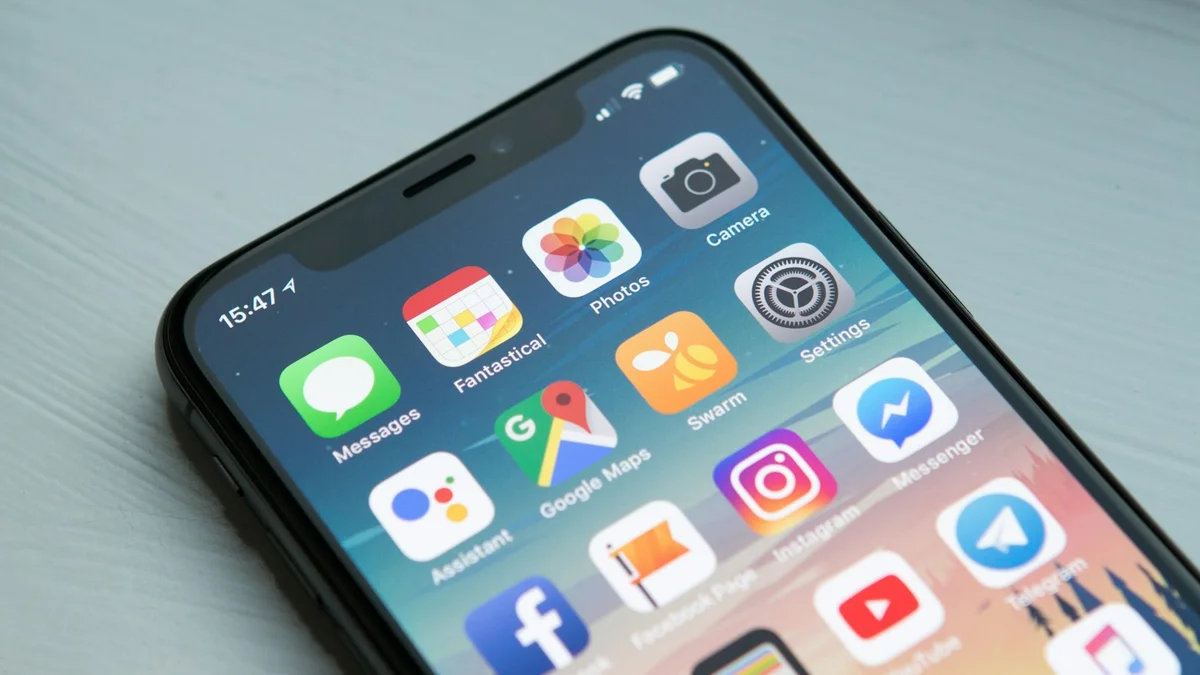
Some days, you don’t have the energy to maintain your phone boundaries. You know the rules. You’ve set the notifications off, the phone-free pockets are in place, the consumption windows are mapped. But today, you’re running on empty. The boundaries feel like one more thing you can’t manage.
This is when most people abandon their boundaries entirely. They pick up the phone, scroll for hours, and feel worse. Then they spend the next few days trying to rebuild the habits they lost. It’s a cycle that leaves them feeling like the boundaries don’t work.
The boundaries work. They just need a version that fits low-energy days. The book Quiet Core Reset calls this the gentle minimum: the few boundaries that are easiest to maintain and that protect you from the biggest drains. The digital overload guide explains the full method. This post gives you the low-energy version-the minimum viable boundaries for the days when you have the least to give.
Key takeaways
- Low-energy days need fewer boundaries, not more discipline.
- The gentle minimum: phone out of the bedroom, first hour phone-free, one pocket later in the day.
- Skip consumption windows and time limits on depleted days. They’ll wait.
- Guilt drains more than scrolling does. Do the minimum and let that be enough.
Why low-energy days are different
On a normal day, you have enough cognitive resources to maintain boundaries. You can pause before checking. You can stick to your consumption windows. You can leave the phone in another room. The effort is manageable because you have the energy to manage it.
On a low-energy day, those resources are depleted. Your brain is tired. Your willpower is low. The phone feels like the easiest source of comfort, and the boundaries feel like obstacles between you and relief. This is when the habit loop is strongest, because the habit doesn’t require energy. It just fires.
The book describes this dynamic in the context of digital overload: when your energy is low, the phone becomes the default response to every uncomfortable feeling-boredom, fatigue, loneliness, restlessness. The phone doesn’t fix these feelings. It numbs them temporarily while adding the cognitive load of scrolling to the energy you’ve already lost. The result is a downward spiral: you’re tired, so you scroll, and scrolling makes you more tired.
Low-energy days require a different approach. Not more discipline. Less. Fewer boundaries, chosen carefully, that protect you from the worst outcomes without demanding energy you don’t have.
The minimum viable boundaries
These are the three boundaries that matter most on low-energy days. They’re easy to maintain because they require almost no willpower. They work by removing the option, not by asking you to resist it.
Boundary 1: Phone not in the bedroom. This is the single most important boundary for low-energy days. When you’re exhausted, you’re tempted to bring the phone to bed, scroll until you fall asleep, and wake up already drained. Leaving the phone in another room-on the charger, in the kitchen, in a drawer-removes that option without requiring any effort from you.
The book is explicit about this: “The phone sleeps somewhere else. Or in a drawer. Or in airplane mode. Your bed is for rest, and rest is productive.” On a low-energy day, this boundary is non-negotiable. It’s also the easiest to maintain, because you do it once and it lasts all night.
If you use your phone as an alarm, buy a five-dollar alarm clock. That single purchase eliminates the excuse of needing the phone in the bedroom. The phone charges in another room. The alarm clock does its job. You sleep without the phone’s blue light, its notifications, and its pull.
Boundary 2: First hour phone-free. On a low-energy day, the first hour sets the tone. If you check your phone immediately upon waking, your brain starts the day in reactive mode-responding to messages, scanning news, processing other people’s priorities. That sets a tone of low-grade stress that persists all day.
Instead, leave the phone where it charged overnight. Spend the first hour without it. Make coffee. Sit quietly. Stare out the window. Do absolutely nothing. The book describes this as a practice that sends a message to your nervous system: “I am safe. I am in control of my attention. I can choose calm.”
On a low-energy day, the first hour is especially important because your brain is most vulnerable to input. It hasn’t built up any resistance yet. The phone’s content hits harder when you’re tired. Keeping the phone away for the first hour gives your brain a buffer.
Boundary 3: One phone-free pocket in the afternoon or evening. Pick one window-lunch, the hour after work, the hour before bed-and keep the phone out of reach during it. Just one window. The goal is to give your nervous system one sustained period of rest during the day.
On a low-energy day, don’t try to maintain multiple phone-free pockets. One is enough. Choose the one that’s easiest-the one that requires the least effort to maintain. Maybe it’s the walk to the car after work. Maybe it’s the thirty minutes before bed. Whatever it is, protect that one window.
What to skip on low-energy days
Low-energy days also require knowing what NOT to do. Some boundaries are energy-intensive, and attempting them when you’re depleted leads to failure, guilt, and abandonment of the whole system.
Skip the consumption windows. Consumption windows-planned times to check social media and news-require tracking and discipline. On a low-energy day, you don’t have that. Let the windows slide. You’ll pick them up when you have energy again. The three minimum boundaries are enough.
Skip the mindful consumption pause. The five-second pause before opening an app is valuable, but it requires a moment of consciousness that’s hard to access when you’re depleted. On a low-energy day, don’t worry about whether each check is intentional. Just maintain the three minimum boundaries and let the rest go.
Skip the app time limits. Screen time limits are useful on normal days. On low-energy days, they feel punitive. Removing them for a day doesn’t ruin your system. It gives you permission to be human. The system will be there tomorrow.
Don’t guilt-trip yourself. The worst thing you can do on a low-energy day is add guilt to the exhaustion. You’re tired. The boundaries are harder. That’s normal. The minimum viable boundaries are there to protect you, not to add another source of stress.
Why these three boundaries work
The three minimum boundaries-phone out of bedroom, first hour phone-free, one afternoon or evening pocket-are designed to protect you from the two biggest drains on low-energy days.
The first drain is sleep disruption. The phone in the bedroom disrupts sleep through blue light, notifications, and the temptation to check. Removing it improves sleep quality, which is the foundation of energy recovery. On a low-energy day, better sleep is the most important intervention.
The second drain is morning reactivity. Checking the phone immediately upon waking puts your brain in reactive mode, processing other people’s priorities before you’ve established your own. The first-hour boundary prevents this, giving your brain a buffer of calm before the day’s demands begin.
The third boundary-the afternoon or evening pocket-gives your nervous system one period of sustained rest during the day. Even if the rest of the day is phone-heavy, one pocket of phone-free time prevents the cumulative activation that comes from constant engagement.
Together, these three boundaries address the biggest sources of digital drain without demanding the energy that normal-day boundaries require. They’re the scaffolding that holds your system together on the days when everything else falls apart.
The science of low-energy days
When you’re exhausted, your brain’s prefrontal cortex-the part responsible for decision-making, impulse control, and willpower-is less active. This is why you make worse decisions when you’re tired, why you eat more junk food, and why you scroll more. The part of your brain that would normally say “don’t check that” is running on low battery.
The phone exploits this. The app designers know that tired people check more, scroll longer, and engage more impulsively. The variable rewards, the infinite scroll, the notification system-all of these are optimized for the moments when your guard is down.
Low-energy-day boundaries work by removing the need for prefrontal cortex involvement. You don’t have to decide not to check the phone. The phone isn’t in the room. You don’t have to decide to take a break from scrolling. You never started scrolling. The boundaries make the decision for you, which is exactly what you need when your decision-making resources are depleted.
The book describes this as part of gentle space-creation: you design the environment so that the healthy choice is the easy choice. On low-energy days, the environment does the work that your willpower can’t.
Building back after a low-energy day
Low-energy days happen. They’re part of being human, especially if you’re dealing with stress, illness, or the aftermath of a demanding period. The goal isn’t to eliminate them. It’s to have a system that works on them and that you can rebuild from after they pass.
When the low-energy day is over, return to your normal boundaries gradually. Don’t try to implement everything at once. Start with the notification boundaries and one phone-free pocket. Then add the consumption windows. Then the mindful consumption pause. Build back over a few days.
The phone boundaries post gives you the full framework. Mindful consumption teaches the intentional engagement practices. Phone-free pockets gives you the specific instructions for creating space. And low-energy-day plans addresses the broader strategies for managing when you’re depleted.
The book reminds us: “You don’t need to move to the mountains or delete all your apps. You only need to start protecting small moments of quiet amid the noise.” On low-energy days, those small moments are the three minimum boundaries. On normal days, they expand. The practice scales to your capacity, and that’s what makes it sustainable.
If you’re dealing with persistent exhaustion that doesn’t improve with rest, it might be something deeper than digital overload. Tired vs. depleted helps you understand the difference. And already burned out addresses the specific challenges of setting boundaries when you’re already past the point of depletion.
The minimum viable boundaries are your safety net. They’re there for the days when you can’t do everything but can still do something. Three boundaries. Almost no effort. Real protection. That’s the whole practice on the days when you need it most.
Frequently asked questions
What counts as a low-energy day?
Any day when your usual boundaries feel heavy: illness, poor sleep, a demanding week, or the aftermath of stress. The signal is simple - if maintaining your normal boundaries feels like one more job, it’s a low-energy day.
Should I feel bad about doing the minimum?
No. The minimum is the practice on those days, not a failure to do the real thing. Protecting sleep and one pocket of quiet is exactly what your depleted system needs.
Can I run on the minimum boundaries for several days in a row?
Yes. That’s what they’re designed for. Keep the three boundaries as long as you need, then rebuild the fuller system gradually over a few days when your energy returns.
Isn’t this just giving up?
Giving up abandons everything and usually ends in a scroll spiral. The gentle minimum keeps the protective core - your sleep, your morning, one pocket of rest - so there’s something to build back from.
Get the toolkit: Download our phone boundary plan worksheet - a printable guide to help you set and track your boundaries. Plus, join our newsletter for weekly tips on creating space in your digital life.
If you want the full toolkit - the phone boundaries, the mindful consumption practices, the low-energy-day versions - Quiet Core Reset walks through all of it in one chapter, with practical tools you can start tonight. No quitting your devices. No guilt. Just a quieter relationship with the thing that’s been quietly taking your evenings.
This article explains how the book describes digital overload and gentle space-creation. It is not medical advice. If low mood or fatigue persists, consult a professional.