Digital Overload
Phone Boundaries: 10 Rules for Reclaiming Your Attention
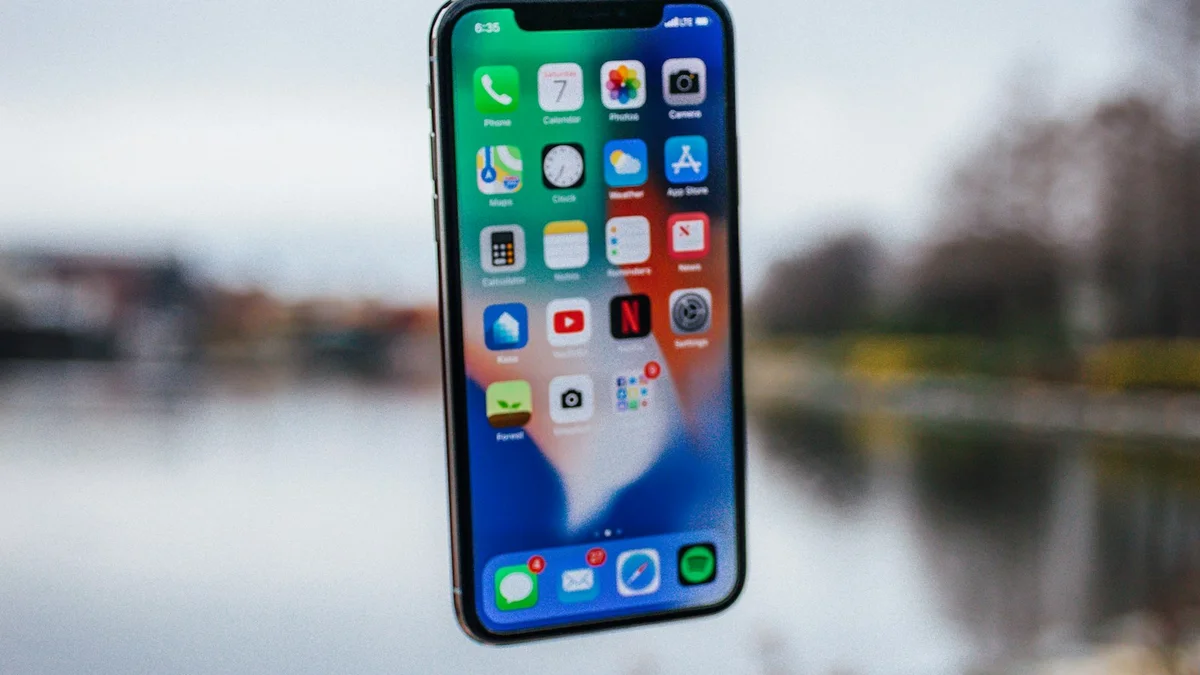
Your phone is a masterpiece of engineering. It’s designed to hold your attention - to keep you scrolling, tapping, checking. And it works.
Every notification is a slot machine pull. Every feed is an endless scroll. Every app wants “just five more minutes.”
But here’s the thing: you didn’t sign up to be a full-time audience member in someone else’s attention economy. You have a life to live.
Phone boundaries aren’t about restriction. They’re about reclaiming sovereignty over your own attention and energy. They’re about deciding when your phone serves you - instead of the other way around.
Let’s build your boundary system. Ten rules. All flexible. All designed to stick.
Key takeaways
- Phone boundaries work through environment and friction, not willpower.
- Start with one boundary and keep it for two weeks before adding another.
- The morning fortress and the notification purge bring the fastest relief.
- When a boundary slips, treat it as data and adjust - don’t judge yourself.
Why You Need Phone Boundaries
First, let’s understand what’s happening without boundaries:
The problem isn’t willpower. The book explains: “Your brain and nervous system were never designed to handle the volume and speed of information we are exposed to today.”
You’re not weak for struggling. You’re human - running modern software on ancient hardware.
The problem is invisible. Each notification feels harmless. Each scroll feels like a break. But “these micro-interruptions may seem harmless individually, but when they happen hundreds of times throughout the day, they create a massive cumulative drain on your mental and emotional energy.”
The problem is design. Apps are engineered to be addictive. Variable reward schedules, infinite scroll, social validation loops - they’re not accidents. They’re features.
Phone boundaries don’t fight this design. They work around it.
The 10 Phone Boundaries
Boundary 1: The Morning Fortress
Rule: No phone for the first 30-60 minutes after waking.
Why it matters: How you start your day sets the tone for everything that follows. If the first thing you do is check notifications, you begin in reaction mode - responding to other people’s agendas before you’ve established your own.
How to implement it:
- Charge your phone outside the bedroom
- Use a regular alarm clock
- Fill the first hour with something analog: coffee, stretching, journaling, a walk
What to expect: The first few days feel strange. You’ll reach for your phone automatically. After a week, you’ll notice something: mornings feel calmer. You arrive at your day instead of being pulled into it.
Boundary 2: The Notification Purge
Rule: Turn off all non-essential notifications. Keep only what truly matters.
Why it matters: “Most people discover that once notifications stop interrupting them every few minutes, their nervous system relaxes noticeably within just a few days.”
Notifications aren’t just interruptions. They’re invitations to fragment your attention. Every buzz pulls you out of whatever you’re doing - and “attention residue” means part of your mind stays on the notification even after you dismiss it.
How to implement it:
- Go through every app and ask: “Does this notification require immediate action?”
- Keep: phone calls from family, urgent work messages, calendar reminders
- Kill: social media likes, news alerts, promotional emails, game notifications
Pro tip: You can often keep an app without its notifications. Instagram is fine. Instagram notifying you of every like is not.
Boundary 3: The Phone-Free Bedroom
Rule: Your phone never enters the bedroom - especially not the bed.
Why it matters: The bedroom should be a sanctuary for sleep and intimacy. When your phone lives there, it becomes a portal for scrolling, comparing, worrying.
The book describes what happens: “Your body may be resting physically, but your nervous system has remained in a state of mild activation the entire time. Deep, restorative rest never truly occurs.”
How to implement it:
- Designate a charging spot outside the bedroom
- If you use your phone as an alarm, buy a $10 alarm clock
- If you read on your phone, switch to a physical book before bed
The boundary is physical, not mental. Don’t rely on willpower to not check. Remove the option entirely.
Boundary 4: The Dinner Zone
Rule: No phones at the dinner table - for anyone in the household.
Why it matters: Meals are one of the few remaining opportunities for genuine connection. A phone on the table - even face-down - signals that something else might be more important.
How to implement it:
- Create a “phone parking lot” near the dining area
- Make it a household agreement, not a personal rule
- Model it yourself before expecting it from others
For parents: Your kids are watching. The book emphasizes: “The most powerful form of teaching is modeling.” When you put your phone away during dinner, you’re showing your children what presence looks like.
Boundary 5: The Work Transition
Rule: After work ends, create a clear boundary between professional and personal phone use.
Why it matters: When work notifications follow you into the evening, you never truly clock out. Your nervous system stays in “on” mode, waiting for the next email.
How to implement it:
- Set a specific time (e.g., 7 PM) after which you don’t check work messages
- Use Do Not Disturb modes with scheduled activation
- If your job requires on-call availability, define the exceptions explicitly
The key: Communication with colleagues. Let them know when you’re available and when you’re not. Most “urgent” messages can wait until morning.
Boundary 6: The Consumption Window
Rule: Choose a specific time window for social media - not random moments throughout the day.
Why it matters: Scrolling is most damaging when it’s scattered. Ten minutes here, five minutes there - each fragment costs you attention and energy.
The book recommends “consumption windows” - pre-decided times for intentional use. Instead of checking Instagram whenever you feel bored, you check it at 7 PM for 20 minutes.
How to implement it:
- Pick one or two windows (e.g., 12-12:30 PM and 7-7:30 PM)
- Outside those windows, close the apps
- Use app timers as backup
What changes: You’ll realize that most of what you were “missing” wasn’t worth checking. And when you do scroll, you’ll do it intentionally - not compulsively.
Boundary 7: The Evening Wind-Down
Rule: Phone goes away 30-60 minutes before sleep.
Why it matters: Blue light affects melatonin. Scrolling activates your nervous system. The book describes the paradox: you tell yourself you’re “relaxing” with your phone, but you’re actually doing the opposite.
How to implement it:
- Set a daily alarm: “Phone away”
- Designate a charging spot outside the bedroom
- Fill the time with calming alternatives: reading, stretching, tea, conversation
The goal isn’t to fill the time with something else. The goal is to give your nervous system space to wind down. Sometimes that means doing nothing at all.
Boundary 8: The Physical Distance Rule
Rule: When you’re not actively using your phone, keep it out of arm’s reach.
Why it matters: “When your phone is not physically within reach, the urge to check it decreases dramatically.”
This is about friction. If your phone is on the desk, you’ll check it every few minutes. If it’s in another room, you’ll forget about it.
How to implement it:
- During focused work, phone goes in a drawer or another room
- During meals, phone stays in the kitchen
- During conversations, phone stays in your pocket or bag
You’re not proving you don’t need your phone. You’re removing the constant temptation to reach for it.
Boundary 9: The “Is This Serving Me?” Check
Rule: Before opening any app, pause for 5-10 seconds and ask: “What am I hoping to get from this right now?”
Why it matters: This question breaks the autopilot loop. Most phone use isn’t intentional - it’s reflexive. You feel a moment of boredom, discomfort, or uncertainty, and you reach for your phone.
The book frames it as a self-check: “You ask yourself: ‘Is this serving me right now, or am I using it out of habit, boredom, or emotional avoidance?’”
How to implement it:
- Practice the pause before every app open
- Notice your answers without judgment
- If the answer is “habit” or “avoidance,” close the app and choose something else
Over time, this practice builds the muscle of conscious choice. You’ll start catching yourself before the autopilot takes over.
Boundary 10: The Weekly Review
Rule: Once a week, spend 10 minutes reviewing your phone habits.
Why it matters: Without reflection, boundaries drift. You set them with good intentions, but habits reassert themselves. A weekly check-in keeps you honest.
How to implement it:
- Look at your screen time data
- Notice which apps consumed the most time
- Ask: “Did my boundaries serve me this week? What needs adjusting?”
The tone matters. This isn’t an audit. It’s a conversation with yourself. No guilt. Just observation and adjustment.
How to Implement These Boundaries
You don’t need to adopt all 10 at once. That’s a recipe for failure.
Instead:
Step 1: Choose One. Pick the boundary that resonates most. Maybe it’s the morning fortress. Maybe it’s the phone-free bedroom. Start there.
Step 2: Commit for Two Weeks. Give it time. The first week will feel awkward. The second week, you’ll start to see results.
Step 3: Notice What Changes. Pay attention to your energy, your sleep, your focus. Write down what you notice.
Step 4: Add Another. After two weeks, if the first boundary is working, add a second. Repeat.
The book reminds us: “The most important principle is progress over perfection.”
What to Do When Boundaries Slip
They will slip. You’ll check your phone in bed one night. You’ll scroll during dinner. You’ll break your consumption window.
This isn’t failure. It’s data.
Ask yourself:
- What triggered the slip?
- Was the boundary too rigid?
- What would make it easier next time?
Adjust and continue. Boundaries aren’t walls. They’re guides - flexible, forgiving, and always evolving.
The Bigger Picture
Phone boundaries aren’t really about your phone. They’re about your life.
When you set boundaries, you’re saying: “My attention matters. My rest matters. My presence with the people I love matters.”
You’re not rejecting technology. You’re choosing when and how to engage with it.
“The goal is not to live without technology, but to stop letting technology live inside your nervous system 24/7.”
That’s what sovereignty looks like. One boundary at a time.
Frequently asked questions
How many phone boundaries should I start with?
One. Pick the boundary that would protect the most attention - usually the phone-free morning or the notification purge - and keep it for two weeks before adding a second.
What if my job requires me to be reachable?
Define the exceptions explicitly. Set scheduled Do Not Disturb hours, name the people or channels that can break through, and tell colleagues exactly when you’re available. Most “urgent” messages can wait until morning.
How long does it take for a boundary to feel natural?
Plan on about two weeks. The first days feel awkward because the habit is strong. By the second week, most people notice calmer mornings and fewer compulsive checks.
What should I do when I break a boundary?
Treat it as information, not failure. Ask what triggered the slip and whether the boundary was too rigid, then make one small adjustment and continue.
Explore more: Learn about notification boundaries for deeper strategies on managing alerts. Or read about mindful consumption to understand the “why” behind these practices. If you want a step-by-step guide to creating phone-free pockets, see phone-free pocket steps.
For a complete overview of digital overload and space-creation, see our digital overload guide.
Get the toolkit: Download our phone boundary plan worksheet - a printable guide to help you set and track your boundaries. Plus, join our newsletter for weekly tips on creating space in your digital life.
If you want the full toolkit - the phone boundaries, the mindful consumption practices, the low-energy-day versions - Quiet Core Reset walks through all of it in one chapter, with practical tools you can start tonight. No quitting your devices. No guilt. Just a quieter relationship with the thing that’s been quietly taking your evenings.
This article explains how the book describes digital overload and gentle space-creation. It is not medical advice. If low mood or fatigue persists, consult a professional.