Nervous System Regulation
Common Mistakes When Trying to Regulate Your Nervous System
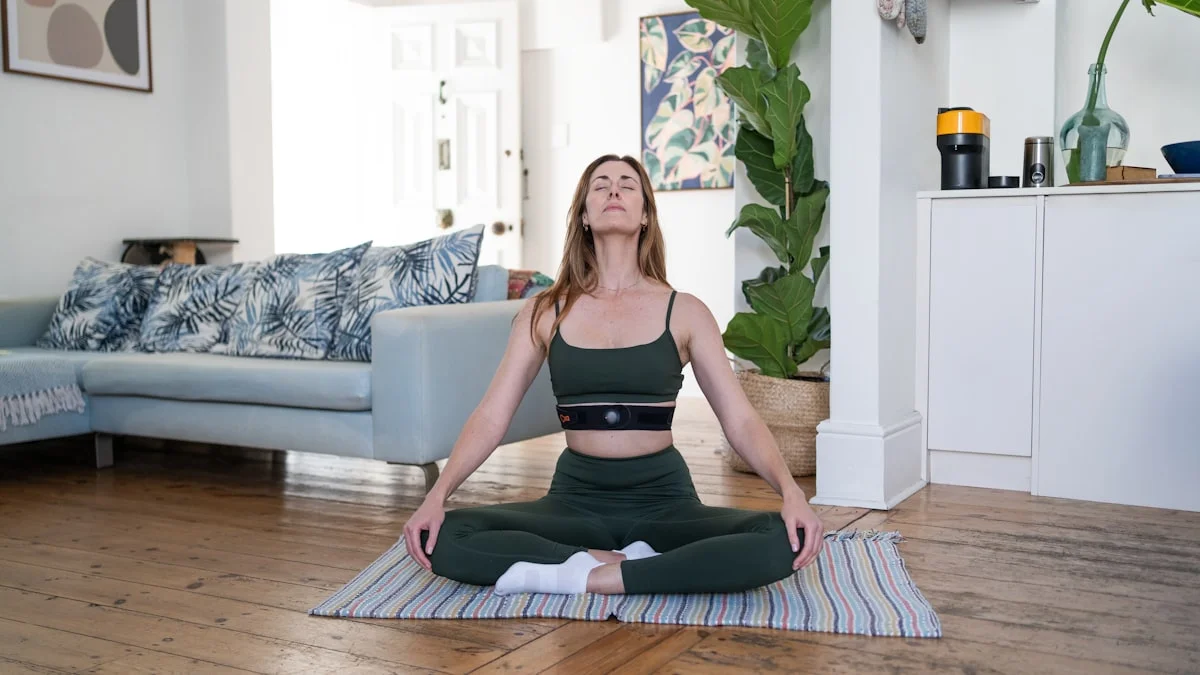
You have tried the breathing. You have tried the morning routine. You have tried the apps. And you are still tense, still wired, still wondering what you are doing wrong.
You are probably not doing anything wrong. You are making one of the common mistakes that capable people make when they treat regulation like any other skill to be mastered. The mistakes are predictable, and they all come from the same place: approaching regulation with the same mindset that got you dysregulated in the first place.
This article walks through the five most common ones, with the correction for each. The complete guide to nervous system regulation has the full picture. This is the troubleshooting section.
Mistake 1: Treating regulation like optimization
You track your sleep score. You measure your HRV. You optimise your morning routine like a performance metric. You are working on your nervous system the way you would work on a project plan, and it is not working.
Here is the problem. Regulation is not a performance. It is a return. You cannot optimise your way into safety because the part of you that is optimising is the same part that keeps the alarm running. The prefrontal cortex, the goal-setting, achievement-oriented part of your brain, is not great at telling the nervous system to stand down. It is great at creating more goals.
The fix: approach regulation as a practice of arrival, not improvement. You are not trying to get better at breathing. You are trying to come home to your body. That distinction matters. The 5-minute nervous system regulation practices approach every exercise as a return, not a performance.
Mistake 2: Expecting instant calm
You did the breathing for ninety seconds and you still feel tense. So you conclude it did not work, and you stop. This is the most common reason people abandon regulation after a week.
Calm is not the immediate goal of regulation. The immediate goal is one moment of slightly less activation. A breath that was shallower that became a little deeper. A jaw that was clenched that unclenched for two seconds. That is not failure. That is the practice landing.
Your nervous system has been in alarm mode for months or years. It will not switch to rest mode after three breaths. It learns in small increments, through repeated experience. The science of nervous system regulation explains why the system resists change: it is designed to prioritise survival over comfort, and it needs to see that safety is reliable before it fully commits.
The fix: measure the practice by whether you did it, not by how it felt. The feeling follows the repetition, not the other way around.
Mistake 3: The “just relax” approach
Someone told you to “just relax” or “just breathe” or “just let it go,” and you tried, and it did not work, and now you think you are bad at relaxing.
The phrase “just relax” is unhelpful in ways that are almost funny. Telling a dysregulated nervous system to relax is like telling a car with the gas pedal floored to slow down by pressing the gas harder. The instruction targets the wrong system.
Relaxation is a voluntary action. Regulation is an involuntary state that you can only influence, not command. You cannot force your nervous system into rest mode. You can only create conditions that make rest mode more likely. The myths about nervous system regulation cover more of these misunderstandings.
The fix: stop trying to relax. Start creating conditions. A slower exhale. A softer gaze. A hand on your chest. These are not commands. They are invitations.
Mistake 4: Doing it alone
You have been trying to regulate your nervous system in isolation, silently, without telling anyone what you are doing or why. And it is harder than it needs to be.
Nervous systems are contagious. A calm person in the room can help regulate a dysregulated person. A dysregulated person can activate a calm one. This is co-regulation, and it is how human nervous systems evolved to work. Solitary regulation is possible. Solitary regulation when you are deeply stuck is unnecessarily difficult.
The fix: involve someone. A partner who knows you are practising. A friend who also wants to regulate. A therapist who understands the nervous system. One honest sentence about what you are doing changes the trajectory. The FAQ on nervous system regulation includes a section on when to seek professional help.
Mistake 5: Giving up after one bad day
You had a good regulation day. You felt calm, present, and maybe even hopeful. Then the next day, you woke up tense, overreacted to something small, and felt like you were back at square one. You concluded regulation does not work, or you are broken, or both.
This is the most expensive mistake of the five, because it stops the only thing that actually works: continued practice.
Regulation is not a linear path. It is a cycle of return. You will have days where the alarm is loud again. That is not regression. That is the practice teaching you what regulation actually is: the ability to return after the activation, not the ability to never be activated. Every single person who regulates goes through this cycle.
The fix: expect the return. A bad regulation day is not a sign to stop. It is the next practice opportunity. The measure is not how long you stay calm. It is how quickly you come back.
The correction that covers all five
If you are making any of these mistakes, here is the single correction that covers them all: regulation is a practice of return, not a state of permanent calm. You are not failing at regulation. You are learning what it actually is.
Lower the bar. One breath. One hand on the chest. One return after a hard moment. That is the practice. It is not impressive from the outside, and that is exactly why it works.
Key takeaways
- Treating regulation like optimization keeps the alarm running.
- Instant calm is not the goal; one moment of less activation is.
- “Just relax” targets the wrong system.
- Regulation is a practice of return, not a state of permanent calm.
- A bad day is not regression; it is the next practice opportunity.
Frequently asked questions
How do I know if I am treating regulation like optimization?
If you track scores, measure performance, or treat practices as a project plan, you are optimizing. Regulation is a return, not an improvement metric. The fix is to approach every exercise as coming home to your body, not as getting better at breathing.
What if a practice does not calm me down instantly?
That does not mean it failed. The immediate goal is one moment of slightly less activation, a breath that got a little deeper or a jaw that unclenched for two seconds. Expecting instant calm is the second most common mistake, and it is why people abandon regulation after a week.
Has anyone actually tried “just relax” and made it work?
The phrase fails because it targets the wrong system. Relaxation is a voluntary action; regulation is an involuntary state you can only influence, not command. The myths article covers the same misunderstanding from another angle.
Why do I need other people to regulate?
Nervous systems are contagious. A calm person can help regulate a dysregulated one, which is co-regulation, how human systems evolved to work. The FAQ on nervous system regulation includes a section on when to seek professional help.
What is the single most important thing to remember?
Regulation is a practice of return. You are not failing; you are learning what regulation actually is. The science post explains why the system resists change, and the 5-minute practices give you something small to do about it.
The full architecture lives in Quiet Core Reset - the science, the practices, and the permission to stop treating regulation like another thing to master.
This guide is educational, not medical advice. If exhaustion or low mood persists, please consult a professional.