Digital Overload
Why You Feel Mentally Tired After Scrolling (and What to Do)
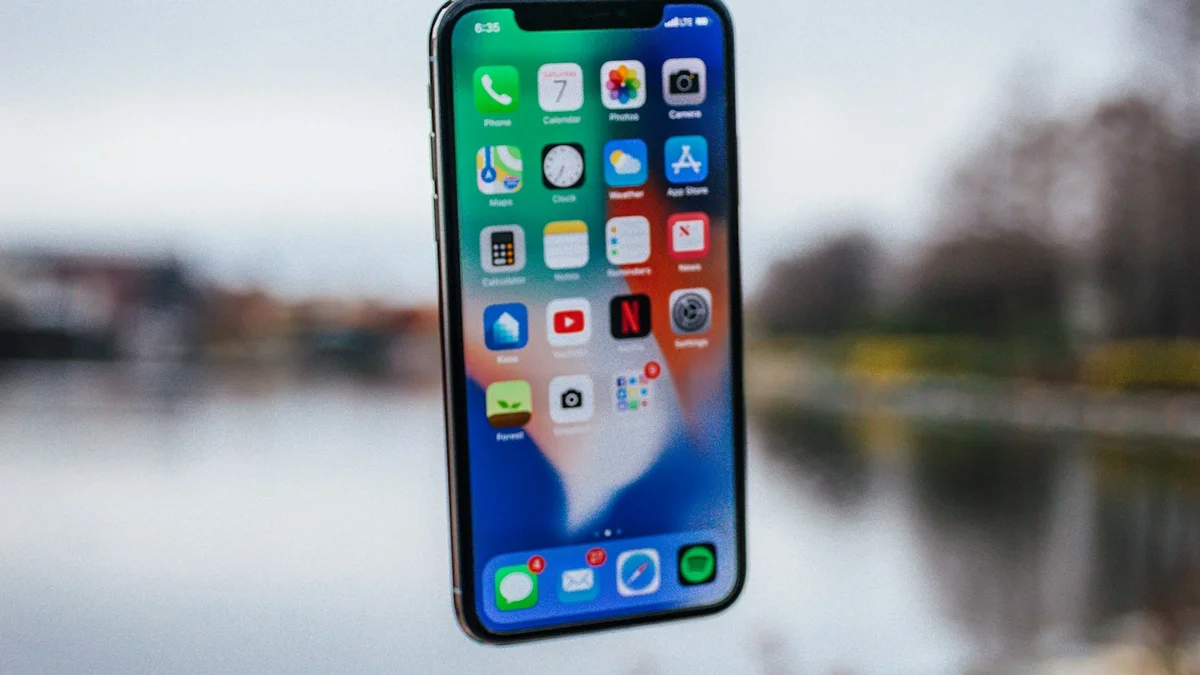
It’s 10:42 PM. You meant to close the phone at ten. You told yourself: just one more video. Now you’re three videos past the one more, your eyes are dry, and you feel spent. Not relaxed. Not entertained. Drained, in a way that’s hard to describe, like the evening was taken from you without your consent.
You’re not weak. This is by design, and it’s also fixable.
Scrolling is the quietest energy leak of the modern day. It feels like a break. It is not a break. It’s a different kind of work, work your nervous system never agreed to. This article explains what’s actually happening when you feel mentally tired after scrolling, and what to do about it. The full guide to digital overload goes deeper into gentle space-creation; start here.
Key takeaways
- Scrolling feels like a break but works your brain: a hundred swipes is a hundred small decisions.
- The feed never ends, so your brain never gets the “done” signal that lets rest begin.
- The tiredness test: notice whether an activity leaves you more settled or flatter than before.
- One phone-free pocket and an earlier close tonight do more than any screen-time limit.
Why scrolling exhausts you
Attention is a muscle, and you’re doing reps. Every swipe is a decision. Every headline is a micro-judgment: interesting? relevant? threat? Your brain processes each one like a tiny task. A hundred swipes is a hundred decisions you didn’t sign up for. Researchers call it attention fragmentation: your focus gets chopped into pieces, and each piece costs a little energy to reassemble.
It keeps your nervous system alert. Your phone is a slot machine with a feedback loop. The unpredictable rewards, the next post, the next like, the next notification, keep your brain in a low-grade state of anticipation. That’s the same chemistry as stress. You’re not relaxing on your phone. You’re standing at attention, waiting for the next ding, for hours.
You never actually finish. Here’s the cruel part: a feed never ends. So your brain never gets the completion signal, the little “that’s done” satisfaction that lets a task close out and rest begin. You scroll until your eyes quit, not until your mind is done. Attention residue from interrupted tasks follows you around too. Every half-finished thing stays on your mind’s desk, charging rent.
The comparison tax. You’re not just consuming content. You’re measuring. Everyone’s highlights against your behind-the-scenes. That’s a quiet drain on your sense of enough, and enough is exactly what you need to feel rested.
That’s why two hours of scrolling can leave you more tired than two hours of work. Work, at least, has edges. The feed has none. The science behind screen fatigue explains the dopamine and attention mechanics in more detail.
The tiredness test
Here’s how to know if scrolling is draining you: check what you feel right after.
Real rest, a walk, a nap, a slow cup of tea, leaves you slightly more grounded. Slightly more yourself. Even if you were tired before, the rest leaves you more settled than when you started.
Scrolling leaves you less. Flat. Buzzy. A little hollow. Like you ate a meal of air. Your eyes are tired, your mind is scattered, and the evening somehow vanished.
If that’s familiar, this isn’t about willpower. It’s about understanding what you’re actually doing, and replacing it with something that rests you.
What actually helps (no cold turkey required)
The book’s approach to digital overload is called gentle space-creation. It’s the opposite of a digital purge: no guilt, no quitting your devices, no deleting everything. Just small pockets of calm inserted into your real life. Our guide to gentle space-creation explains the full method. Here are the practices that matter most.
1. One phone-free pocket a day. Pick one recurring moment: the first ten minutes after waking, the last ten before sleep, the walk between the car and the door. Leave the phone out of it. Ten minutes. That’s the whole commitment. Morning and evening anchors work beautifully as the frame.
2. The 2-minute pause before you open the app. Before you reach for the phone, pause and ask: what am I looking for? Connection? Rest? Escape? Boredom? Half the time, the answer tells you it’s not the phone you need. It’s a nap, a snack, a person, or air. Naming the need is the first step of emotional processing, and it breaks the automatic loop. If you want a structured version of this pause, the 90-second phone pause gives you a simple, step-by-step method.
3. The boundary around the bed. The phone sleeps somewhere else. Or in a drawer. Or in airplane mode. Your bed is for rest, and rest is productive. A charging phone in the bedroom is an open door your nervous system never closes.
4. Replace, don’t remove. Every scrolling habit needs a replacement, or it returns. The 10 PM scroll becomes a chapter, a stretch, a cup of tea, a conversation. Slow living for busy people is full of replacements that cost nothing and restore more.
5. Notifications off for the apps that drain you. Not all of them. Just the ones that pull you in most. You won’t miss anything important. The phone is the only device that treats every notification as an emergency. Notification boundaries give you back the choice.
The 10:42 PM experiment
Try this tonight. Instead of closing the phone when you’re already drained, close it ten minutes earlier, and use those ten minutes for something real. A slow breath. The physiological sigh, twice. A stretch. Sitting by a window. Absolutely nothing, on purpose.
That’s it. One small swap. The point isn’t the ten minutes. The point is the message it sends to your nervous system: the day is over, and you are allowed to stop.
When the scroll is a symptom
Sometimes the phone isn’t the problem. It’s the place you go when you don’t want to feel. The scroll becomes a blanket over an uncomfortable emotion: loneliness, boredom, grief, overwhelm.
If that’s true for you, the fix isn’t another phone boundary. It’s permission to feel. Quiet emotional processing shows you how to sit with a feeling without needing to fix it, escape it, or scroll over it. The phone is easier, for a moment. But the feeling is still there afterward, and the scroll has made it heavier.
So the honest question isn’t only “what do I do instead of scrolling?” It’s also “what am I avoiding when I scroll?” Both questions matter, and both have gentle answers.
The bigger picture
Feeling mentally tired after scrolling isn’t a personal failure. It’s the design of the thing colliding with the design of you. The feed was built to hold your attention, and your attention was built to be held. The system is just better at exploiting it than you are at defending it.
You’re not fighting a lack of discipline. You’re fighting an environment that is broken, and you are allowed to stop normalizing the drain.
Gentle space-creation is the sustainable answer: not a war on your phone, but a series of small, kind agreements with yourself. One pocket. One pause. One replaced habit. The well refills in the spaces you create. Micro-resets are how you make those spaces count.
If you want a structured way to design your own boundaries, the phone boundary plan worksheet walks you through it step by step.
If you want the full toolkit, the phone boundaries, the mindful consumption practices, the low-energy-day versions, Quiet Core Reset walks through all of it in one chapter, with practical tools you can start tonight. No quitting your devices. No guilt. Just a quieter relationship with the thing that’s been quietly taking your evenings.
One more thing: if you felt the pull to scroll while reading this, that’s not irony. That’s the loop doing its job. Close the tab, take a breath, and go create one small pocket of calm. That’s the whole practice.
The comparison underneath the tiredness
There’s one more job the scroll does that’s easy to miss, because it never feels like work: it grades you. If your evenings on the phone leave you drained in that particular flattened way, there’s a decent chance comparison is doing a share of the lifting. The feed doesn’t just fragment your attention. It quietly holds your behind-the-scenes reality up against everyone else’s highlight reel, several hundred times a night, and you didn’t sign up for the exam.
That grading explains a piece of the wired-tired puzzle. A steady sense of “not enough” or “falling behind” isn’t just a sad thought; the body reads it as a signal and responds with low-level stress chemistry, which is one reason a session of scrolling can leave you tired and twitchy at the same time. You sat still the whole time. The measuring didn’t.
It also passes the tiredness test from earlier in a specific way: the flatness after a scrolling night often has a comparison component, a feeling that your actual life came up short against a slideshow of selected minutes. Naming that helps more than you’d expect, because the cure isn’t more discipline. It’s smaller inputs. Why “falling behind” is a stress signal rather than a fact takes that feeling apart, and the step-by-step guide to curating your feed shows how to mute the accounts that charge you for looking, without quitting anything. If you want the full picture of how the feed ends up setting your standards, when social media comparison sets the standard connects the mechanics to the tiredness you feel at 10:42 PM.
None of this requires deleting a single app. It requires noticing that part of your scrolling fatigue is a grading fatigue, and deciding, gently, who does the grading. You already know the answer to that one.
Frequently asked questions
Why do I feel drained after scrolling even when I enjoyed it?
Enjoyment still costs attention. Every swipe asks your brain to evaluate, compare, and anticipate, and that work adds up even when every video was a good one.
Is being tired after scrolling the same as being sleepy?
No. It’s the wired-but-tired state: your body is exhausted but your nervous system is still mildly activated, which is why you can feel drained and unable to settle at the same time.
Does scrolling before bed really affect sleep?
It does, twice over. Blue light delays melatonin, and the activation from processing content follows you into bed. A phone-free last half hour usually improves both falling asleep and sleep quality.
What’s the single best change to start with?
Move the phone out of the bedroom tonight, or close it ten minutes earlier than usual. Both are small enough to keep, and both interrupt the loop where it does the most damage.
Not medical advice. If low mood or fatigue persists, please consult a professional.