Slow Living - Guide
Slow Living: The Complete Guide
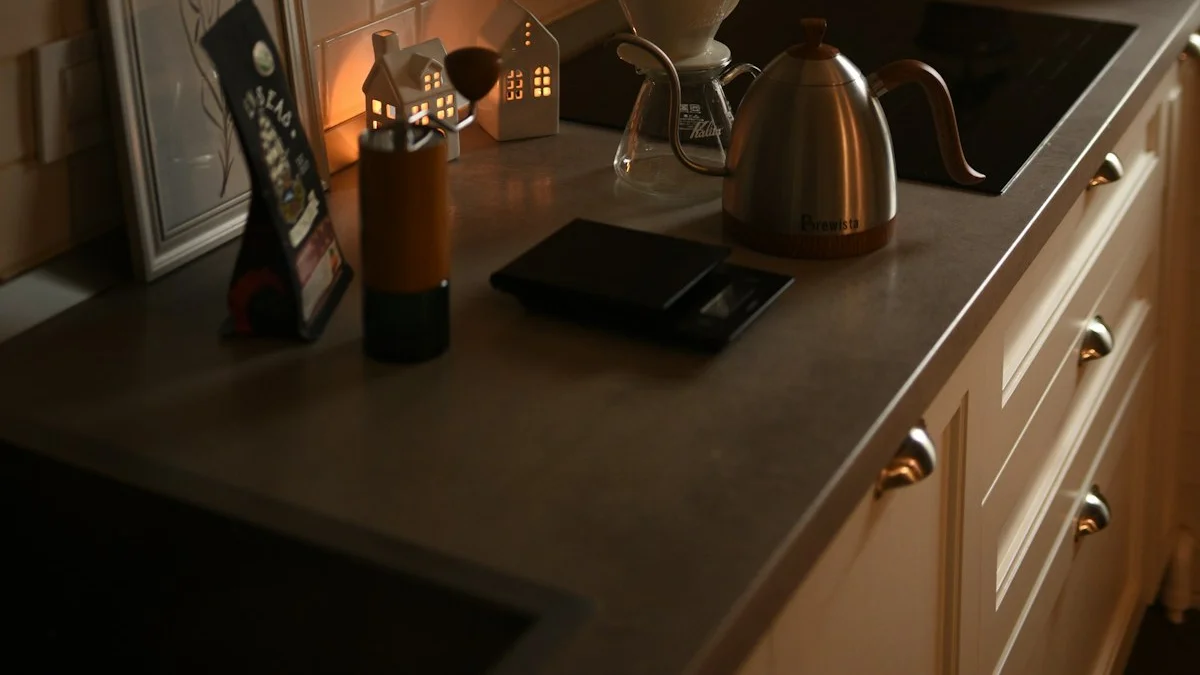
Slow living is not a cabin, a linen wardrobe, or a retreat from real life. It is a direction: bringing more presence, more intention, and less unnecessary speed into the life you already have. This guide is the complete map of that direction, from the science of the rush to the smallest practice that starts to undo it.
In this guide:
- What slow living really is
- Why the rush is costing you
- The science: your nervous system on speed
- The three ingredients: transitions, one meal, white space
- Slow is not lazy
- How to start: ridiculously small
- Slow living in your context
- The complete reading list
- Frequently asked questions
- Start with one slow pocket
What slow living really is
The book defines the practice in one sentence: “Slow living is not about doing less. It is about doing what you do with more presence, more care, and more respect for your own nervous system.”
That sentence dismantles the fantasy version of slow living. The popular image is a lifestyle: waking without an alarm, a day that flows, simple moments, a person in linen who has read seventeen books this year. Lifestyles are expensive, all-or-nothing, and easy to fail at. The book’s version is different. It is built on one honest observation: you already move too fast through moments that don’t need speed, and that rush is draining you in ways you don’t notice.
The book’s correction is realistic at its core: “The challenge is not to escape your current life, but to bring elements of slowness and presence into the life you already have.” Not a different life. The same life, with slower pockets in it. No quitting your job, no moving to the countryside, no deleting your calendar, because the whole practice is designed for the day that already exists.
If you are brand new to the idea, Slow Living Explained Simply is the no-jargon starting point, and the original article is the busiest-person’s version of the same map. For the fear that this is just another obligation, Common Mistakes When Trying to Live Slower clears the traps in advance.
Why the rush is costing you
Most of the speed in your life is not real urgency. It is habit.
The book names the pattern: most people don’t realize how much of their day is driven by an unconscious sense of urgency, even when there is no real emergency. We rush through mornings, eat fast, answer messages the moment they arrive, and move from task to task without a pause, and we often finish the day feeling like we have been running a marathon with no finish line.
The cost is not the hours. It is the quality of attention inside them. A body running on chronic low-grade urgency stays in a light fight-or-flight, and a system in that state cannot do deep thinking, cannot register pleasure, and cannot actually be present for the life it is moving through. The rush feels like working. It is often just the performance of working, with the presence left out.
The question that starts the whole shift is the one Rush vs. Intention turns into a practice: is this speed necessary, or is it habit? Am I hurrying because I must, or because I have forgotten how not to? The answer changes the rush from an automatic pattern into a choice, and a chosen rush, when it’s real, is fine. The problem was never speed. The problem was speed without choice.
The deeper causes of the constant rush are explored in Why Everything Feels Fast, and the modern-world version, why slow living feels impossible in a 24/7 culture, is in Why Slow Living Feels Impossible in a 24/7 World. To catch the pattern in your own week before it costs you, 8 Signs You’re Rushing Through a Life You Don’t Need to Rush and The Subtle Ways You’ve Lost Your Slowness name what to look for.
The science: your nervous system on speed
The science of slowing down is not about aesthetics. It is about what sustained speed does to a nervous system, and what pauses do in the opposite direction.
The book’s core claim: a large part of the day runs on an unconscious sense of urgency, and the body cannot tell the difference between a real threat and a manufactured one. Both keep the nervous system in a state of readiness. The result is low-grade urgency, a mild fight-or-flight that never fully switches off, and the system is designed for spikes of activation followed by recovery. Constant urgency deprives it of the recovery half of the cycle.
This is why “just relax” fails as advice. A body running on chronic activation does not have an off switch for it, and being told to relax can add pressure. The science says the system needs signals, not commands, and the signals come from pauses. A slow transition, sixty to ninety seconds between tasks, delivers the “task over” signal. White space, a deliberate gap in the schedule, gives the system a scheduled reset window. Sensory awareness, eating or walking on purpose, pulls attention into the present moment where pleasure actually registers.
The broader claim is about rewiring: “Small, consistent acts of slowness accumulate and begin to rewire your nervous system.” Repeated signals of safety train the system to expect and allow calm, the same way repeated signals of urgency train it to expect and maintain speed. That is why the dose matters, small and frequent rather than rare and big, and why a slow transition beats a two-week retreat for a nervous system that learns from frequency.
The full plain-language walkthrough is in What Science Says About Slowing Down, with the nervous-system territory underneath in nervous system regulation and the energy side in the micro-resets science. And when slowing down is not a choice but a necessity, Why “Just Push Through” Fails When the Pace Is the Problem shows why effort cannot substitute for the pauses.
The three ingredients: transitions, one meal, white space
The practice reduces to three honest ingredients, and each one fits a busy life because it rides on moments that already exist.
Slow transitions. The space between things, the end of a meeting and the start of the next thing, the car door, the school run, is where the day’s tension lives. A slow transition is a deliberate gap of thirty seconds to five minutes: stand up, stretch gently, take a couple of conscious breaths, then start the next thing. The book is specific about the mechanism: these micro-transitions prevent your nervous system from staying in constant go mode. The concept, with the places it belongs, is in Slow Transitions: The 5-Minute Pause Between Things, and the exact step-by-step instructions are in The 5-Minute Slow Transition: Step by Step. At work, Slow Living at Work adapts the practice to meetings and open offices.
One slow meal. Pick one meal a day and eat it slowly: no screen, no standing, no multitasking, ten to fifteen minutes of actually tasting the food. The book is specific about why this is a starter practice: eating slowly and actually tasting your food sends a strong safety signal to your body and helps regulate your nervous system. One meal, not all of them. It is the whole trick of realistic slow living: you don’t transform your relationship with food, you create one daily island of slowness and let it matter. The deeper dive is One Slow Meal a Day: A Realistic Slow-Living Start.
White space. Time scheduled for nothing on purpose: ten to twenty minutes between commitments, or an evening a week, with no task, no plan, no optimization. The book is direct: “Intentionally leave small gaps in your schedule. Instead of back-to-back meetings or tasks, build in 10-20 minute buffers.” These white space moments give your nervous system time to reset and prevent the day from feeling like one long sprint. It feels wasteful at first, and that is the point. White Space: Scheduling Nothing on Purpose is the full scheduling practice, including the boundary work that protects the gaps. And if the empty minutes make you reach for your phone, why boredom is good for your nervous system explains what those unfilled gaps are actually doing for you.
Slow is not lazy
The fear that stops more people from trying slow living than anything else is the fear that it is laziness. The book draws the line in one sentence: slow living is not about doing less. It is about doing what you do with more presence, more care, and more respect for your own nervous system.
The practical test is the direction of attention. Laziness moves attention away from the task, toward distraction, avoidance, or the screen. Slow living moves attention into the task, toward the feel of the water, the taste of the food, the presence of the moment. One is a withdrawal of attention. The other is a deposit of it.
Laziness reduces effort. Slow living increases the quality of effort. The slow meal is not a skipped meal; it is the same meal eaten without a screen, tasting the food. The slow transition is not an extra rest; it is a minute between tasks that changes how you arrive at the next one. The white space gap is not an empty day; it is a scheduled pause that makes the rest of the day sustainable. The person doing them is not doing less. They are doing the same life with more presence and less internal resistance.
The full distinction, including the worth-tied-to-output fear underneath it, is in Slow Living vs. Lazy: The Difference That Changes Everything. The surrounding question, whether slowing down means losing drive, is answered in Slow Living for High Performers, where more presence, not less output, is the whole case.
How to start: ridiculously small
The book’s most important principle for making slow living realistic is one phrase: starting ridiculously small.
If you try to change too many things at once, the nervous system interprets the new habits as additional pressure and pushes back. The fix is the minimum viable version: one slow meal instead of three, one transition after the daily meeting instead of after every task, ten minutes of white space instead of a redesign. The smallness is not a compromise. It is the dose, because the version that does not trigger resistance is the version that actually sticks.
The book’s flexible-anchor approach is the structure: two or three slow practices a week that almost cannot be skipped, a slow morning, one phone-free meal, an evening wind-down, attached to moments rather than chained to rules. When the anchors survive a rushed week, the practice survives. The beginner’s week is mapped in The Beginner’s Guide to Slow Living, with one slow meal, one transition, one walk without a destination, one task done without switching, spread across seven days.
Expect the resistance. The first slow meal will feel like wasted time. The first protected gap will feel wasteful. The book’s answer is the practice itself: the practice is in returning, returning to the slower pace more often and more quickly, with kindness instead of self-criticism. A rushed week is data about what you need, not a verdict on you. The slow-living self-check tells you where your pace stands today, and the science of why the small doses work is in What Science Says About Slowing Down.
Slow living in your context
Slow living wears different clothes in different lives. The direction has to fit the life it is serving.
For parents. You do not have a slow day; you have a day made of fragments. The parent version is one meal, one walk, one pause: three small pockets of intention inside a day that already exists. Slow Living for Parents & Caregivers is the fragment edition, and the one-slow-meal practice is its most practical starter.
For high performers. The word slow sounds like the opposite of a career, and the book spends a chapter correcting it: more presence, not less output. The transition is the hidden upgrade, the white space is a performance tool, and single-tasking is slow living inside the work itself. Slow Living for High Performers is the version for people paid to move fast.
For remote workers. The commute was never the waste it looked like. It was the border, and remote work erased it. The edges of the day, the slow morning, the slow evening, and the internal transitions, are the slow-living practice for a home office. Slow Living for Remote Workers is about reclaiming those edges.
When you are burned out. Slow living done with a hustle mindset is a trap: the morning routines and strict rules become more demands on an empty system. After burnout, the version is ridiculously small, the three-minute slow morning, the one minute of noticing, and permission to do almost nothing. Slow Living When You’re Already Burned Out is the recovery edition, and Slow Living for Low-Energy Days carries the gentle minimum through a whole day.
The honest story. The first-person version of the whole arc, three small changes to a life that stayed exactly the same, and what changed because of them, is in How I Slowed Down Without Quitting My Life. When the questions pile up, Slow Living: 12 Questions, Answered has the quick-reference answers.
The complete reading list
Every article in this cluster, in order:
- Slow Living for Busy People
- Slow Living Explained Simply
- The Beginner’s Guide to Slow Living
- 8 Signs You’re Rushing Through a Life You Don’t Need to Rush
- The Subtle Ways You’ve Lost Your Slowness
- Is Your Pace Serving You? A 3-Minute Slow-Living Self-Check
- Why Everything Feels Fast
- Why Slow Living Feels Impossible in a 24/7 World
- Rush vs. Intention
- One Slow Meal a Day
- Why “Just Push Through” Fails When the Pace Is the Problem
- Slow Living at Work
- Slow Living for Low-Energy Days
- Slow Living vs. Lazy
- White Space: Scheduling Nothing on Purpose
- What Science Says About Slowing Down
- Slow Transitions: The 5-Minute Pause Between Things
- The 5-Minute Slow Transition: Step by Step
- Slow Living for Parents & Caregivers
- Slow Living for High Performers
- Slow Living for Remote Workers
- Slow Living When You’re Already Burned Out
- Common Mistakes When Trying to Live Slower
- Slow Living: 12 Questions, Answered
- How I Slowed Down Without Quitting My Life
Related hubs when you want to go deeper: the micro-resets guide for the small pauses that hold the practice, the energy management guide for the daily curve slowness protects, and the hustle culture guide for the system that sells you the rush.
Frequently asked questions
Does slow living mean doing less?
No. The book says the opposite plainly: slow living is not about doing less. It is about doing what you do with more presence, more care, and more respect for your own nervous system. The same meal, the same walk, the same work, with the attention actually in them. Laziness withdraws attention; slow living deposits it.
Isn’t slow living just for people without real obligations?
The book anticipates this exactly. The challenge is not to escape your current life, but to bring elements of slowness and presence into the life you already have. It is designed for people with jobs, children, bills, and deadlines, and the whole practice is about the fragments: one meal, one walk, one pause, inside a day that is already full.
How do I start?
Start ridiculously small. One slow meal. One transition after a meeting. Ten minutes of white space. The beginner’s version is mapped across a week in the beginner’s guide, and the principle underneath is that the small version is the dose: the practice that does not trigger resistance is the practice that sticks.
How long until I feel a difference?
The immediate shift is in the texture of the day: one transition makes a day feel less like a sprint. The nervous-system rewiring arrives in weeks of small, consistent acts of slowness. The book warns against expecting drama, and it is right: the practice feels like nothing at first, and the nothing accumulates.
What if I keep rushing anyway?
Then you are precisely the person the practice was designed for. The book’s answer is that slow living is a direction, not a destination: you move toward more presence and less unnecessary speed, and when the rush takes over, you return, gently, to the pockets. The practice is in returning, not in never falling.
Start with one slow pocket
You have read enough to know whether your day has been running on unconscious speed. If it has, the kindest next step is the smallest one: pick one meal today and eat it slowly, no screen, actually tasting it. That is the whole practice, and it is enough to begin.
Slowness is not a luxury for people with fewer responsibilities. It is a direction available in every day you already have, and it starts with one pocket, one meal, one transition, one minute of nothing, on purpose.
If you want the full method, Quiet Core Reset walks through it step by step, one slow pocket at a time.
This article explains how the book describes slow living. It is not medical advice. If low mood or persistent fatigue continues, consult a professional.