Digital Overload
Digital Overload: 12 Questions, Answered
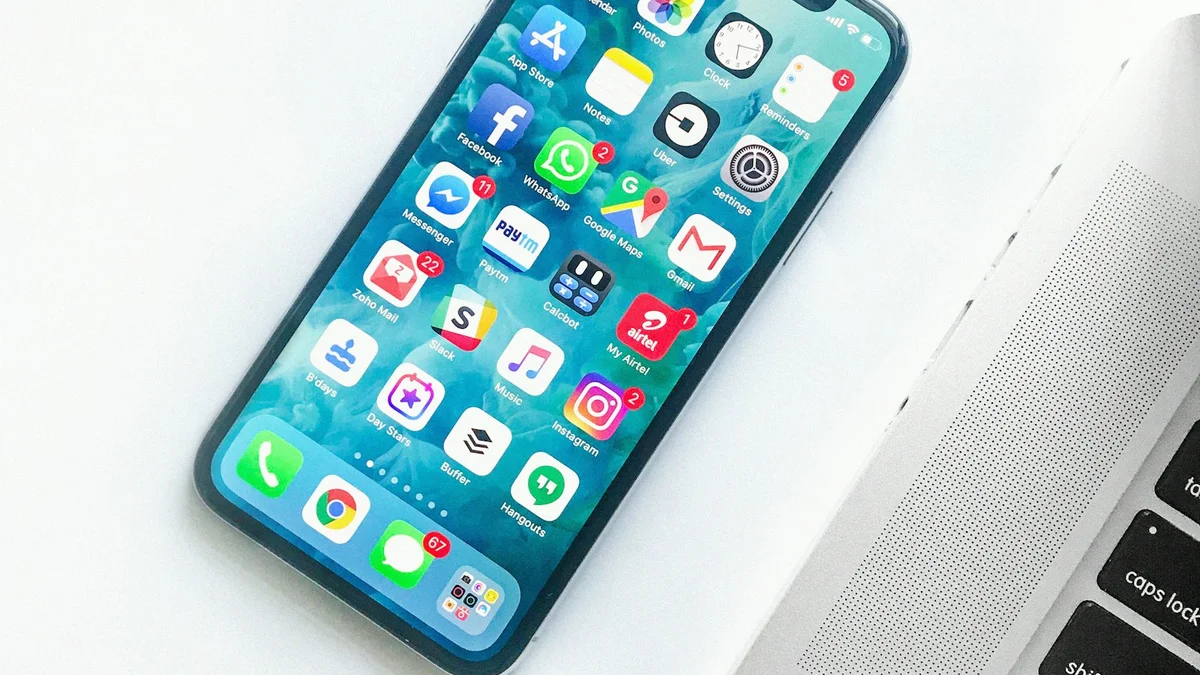
You’ve heard the term. You’ve felt the effects. But the specifics are blurry: what exactly is digital overload, why does it make you so tired, and what actually helps? This FAQ answers the twelve most common questions in plain language, with no jargon and no guilt.
Key takeaways
- Digital overload is fragmented attention and a nervous system stuck on alert - not a screen-time number.
- Scrolling feels like rest, but every swipe is a small decision your brain has to process.
- Willpower runs out by evening; environment changes work by default.
- Start with one move: phone out of the bedroom, fewer notifications, or one phone-free pocket.
1. What is digital overload?
Digital overload is the cumulative exhaustion caused by constant exposure to screens, notifications, and digital information. Your brain and nervous system weren’t designed for the volume and speed of input we deal with today. Every notification, every quick glance at the phone, every “let me just check this” email pulls your attention out of the present moment and puts your nervous system on alert.
Individually, these interruptions seem harmless. But when they happen hundreds of times a day, they create a massive cumulative drain on your mental and emotional energy. That drain is digital overload.
It’s not about using technology too much in terms of hours. It’s about how fragmented your attention becomes, and how long your nervous system stays in a low-grade state of activation. You can spend eight hours on a computer for work and not feel digitally overloaded, if those hours are focused and intentional. You can feel completely drained after thirty minutes of mindless scrolling, because the scrolling fragments your attention and keeps your nervous system alert.
Our full explainer goes deeper into the mechanics.
2. Why does scrolling make me so tired?
Scrolling feels like rest. It’s not. It’s a different kind of work - work your nervous system never agreed to.
Every swipe is a decision. Every headline is a micro-judgment: interesting? relevant? threat? Your brain processes each one like a tiny task. A hundred swipes is a hundred decisions you didn’t sign up for. Researchers call it attention fragmentation: your focus gets chopped into pieces, and each piece costs energy to reassemble.
The feed also never ends. Your brain never gets the completion signal - the little “that’s done” satisfaction that lets a task close out and rest begin. You scroll until your eyes quit, not until your mind is done.
That’s why two hours of scrolling can leave you more tired than two hours of work. Work, at least, has edges. The feed has none. The science behind screen fatigue explains the dopamine and attention mechanics in more detail.
3. Is digital overload the same as screen time?
No. Screen time is a measure of hours. Digital overload is a measure of how those hours affect your nervous system.
You can spend six hours on a computer doing focused, intentional work and feel tired but satisfied. You can spend thirty minutes scrolling social media and feel depleted, scattered, and anxious. The difference isn’t the number of hours. It’s the quality of attention and the state of your nervous system.
This is why screen time limits, while sometimes helpful, don’t address the core issue. Reducing your screen time from four hours to two doesn’t help if those two hours are spent in fragmented, reactive scrolling. What matters is how you use the screen, not just how long.
4. What is gentle space-creation?
Gentle space-creation is the book’s alternative to digital detox. Instead of trying to eliminate screens entirely - which is unrealistic for most people and often creates rebound behavior - you consciously create small pockets of space and calm within your daily digital life.
The practice asks three questions: Where does your phone steal attention without adding real value? When are you using technology out of habit rather than conscious choice? Where can you create small moments of quiet within the noise?
It’s not about rejecting technology. It’s about reclaiming sovereignty over your attention in a realistic, sustainable way. One phone-free pocket. One mindful pause. One replaced habit. The well refills in the spaces you create.
The beginner’s guide walks through the first seven steps.
5. Do I need to delete my apps?
No. The book is explicitly against cold turkey approaches. Deleting apps creates resistance and often leads to reinstalling them within days, usually with extra guilt. The better approach is to change your relationship with the apps gradually.
Start by turning off notifications for the apps that drain you most. Then set specific consumption windows - times of day when you’ll use them, instead of reaching for them randomly. Then notice how you feel after using them, and adjust accordingly.
If, after these steps, you find that certain apps consistently leave you feeling worse, then deleting them might make sense. But delete them because you’ve learned something about yourself, not because someone told you to. Detox vs. gentle space-creation explains why the gradual approach lasts longer.
6. Why can’t I just use more willpower?
Because willpower is a depletable resource. Every decision you make throughout the day draws from the same finite pool. By evening, that pool is empty. This is why you can maintain your boundaries perfectly during the workday and then scroll for two hours at night.
Digital boundaries that depend on willpower fail at the moment you need them most: when you’re tired, stressed, bored, or emotional. These are the moments when the scroll is most tempting and your resistance is lowest.
The better approach is to change the environment instead of relying on discipline. Put the phone in another room. Delete the apps from your phone and access them only on a laptop. Set automatic do-not-disturb schedules. These changes work because they don’t require willpower. They work by default.
7. How long does it take to feel better?
Most people notice a difference within one to two weeks of consistent practice. The changes are usually subtle at first: slightly better sleep, slightly less urge to check the phone, slightly more present during conversations.
The nervous system adapts to new patterns faster than you’d expect. When you stop interrupting it with constant notifications and scrolling, it begins to downregulate. The “always alert” state softens. You might notice this as feeling calmer, or sleeping more deeply, or having more patience.
The full adjustment takes longer - typically one to three months for the new patterns to feel automatic. But the early results come fast enough to keep you motivated.
8. What about my job? I need my phone for work.
Many people do. The boundaries aren’t about eliminating work-related phone use. They’re about separating work-related use from everything else.
The practical approach: create work hours for your phone. During work hours, the phone is available for work purposes. Outside work hours, it’s not. This means setting clear boundaries with colleagues and clients about your availability, and trusting that true emergencies are rare enough not to require 24/7 access.
For most people, the biggest win isn’t reducing work-related phone use. It’s reducing the non-work scrolling that happens alongside it - the social media checks between emails, the news browsing during meetings, the “quick looks” that fragment your attention throughout the day.
Digital boundaries for entrepreneurs and remote workers address the work-phone challenge specifically.
9. Does digital overload affect sleep?
Significantly. The two main mechanisms are blue light and nervous system activation.
Blue light from screens suppresses melatonin production, the hormone that signals your body it’s time to sleep. When you scroll before bed, you’re sending your brain a “stay awake” signal at the exact moment you want it to power down.
But the bigger issue is activation. Scrolling keeps your nervous system in a state of mild alertness - processing information, making micro-judgments, reacting to content. This activation doesn’t stop when you put the phone down. It follows you into bed, where your brain continues processing, replaying, anticipating.
The result: you lie in bed with an activated nervous system and wonder why you can’t sleep. The fix isn’t a sleep supplement. It’s a phone-free wind-down period - 30 to 60 minutes before bed - that lets your nervous system actually shift gears.
10. What’s the difference between digital overload and anxiety?
They’re related but distinct. Digital overload is the exhaustion caused by fragmented attention and constant stimulation. Anxiety is a broader state of worry, unease, or dread that can exist without any screens at all.
That said, digital overload can trigger or worsen anxiety. The constant stimulation keeps your nervous system activated, and chronic activation is a breeding ground for anxiety. The comparison tax of social media - everyone’s highlights against your behind-the-scenes - can intensify feelings of inadequacy.
If you’re experiencing persistent anxiety, a phone boundary alone isn’t enough. Quiet emotional processing and professional support may be needed. But reducing digital overload often reduces anxiety symptoms as a side effect, because the nervous system finally gets the rest it needs.
11. Can digital overload affect my relationships?
It’s one of the most common effects. The “phubbing” phenomenon - snubbing someone in favor of your phone - erodes connection quietly. The person you’re with feels unimportant. The conversation loses depth. The shared attention that relationships need to survive gets scattered across screens.
Digital overload also reduces your capacity for presence. When your attention is fragmented, you’re not fully there for anyone - not your partner, not your kids, not your friends. You’re physically present but mentally split, and the people around you can feel it.
The fix isn’t dramatic. A phone-free dinner. A walk without headphones. An evening where the phone stays in the parking lot. These small acts of attention are the foundation of connection, and they’re the first things digital overload takes away.
Digital boundaries for parents addresses the family dimension specifically.
12. Where do I start?
Start with one thing. Not five things. Not a complete overhaul. One thing.
The highest-impact starting points, in order:
Move the phone out of the bedroom. This improves sleep, reduces morning scrolling, and creates a physical boundary without requiring willpower.
Turn off non-essential notifications. This removes the constant interruption and lets your nervous system relax. Most people notice a difference within days.
Create one phone-free pocket. Ten minutes. The first after waking, or the last before sleep. Leave the phone in another room. Do nothing, on purpose.
Try the 90-second pause. When the urge to scroll hits, wait 90 seconds before acting on it. The urge peaks and passes. You learn that you can exist without the phone, even when it’s calling.
Pick one. Try it for a week. If it helps, keep it and add another. If it doesn’t, try a different one. The practice is personal, and the pace is yours.
The full guide to digital overload has everything in one place, but you don’t need everything. You need one thing, done consistently, for long enough to feel the difference.
If you want the full toolkit - the phone boundaries, the mindful consumption practices, the low-energy-day versions - Quiet Core Reset walks through it all in one chapter, with practical tools you can start tonight. No quitting your devices. No guilt. Just a quieter relationship with the thing that’s been quietly taking your evenings.
This article explains how the book describes digital overload and gentle space-creation. It is not medical advice. If low mood or fatigue persists, consult a professional.