Breathing Techniques
Breathing for Sleep: The Extended-Exhale Wind-Down
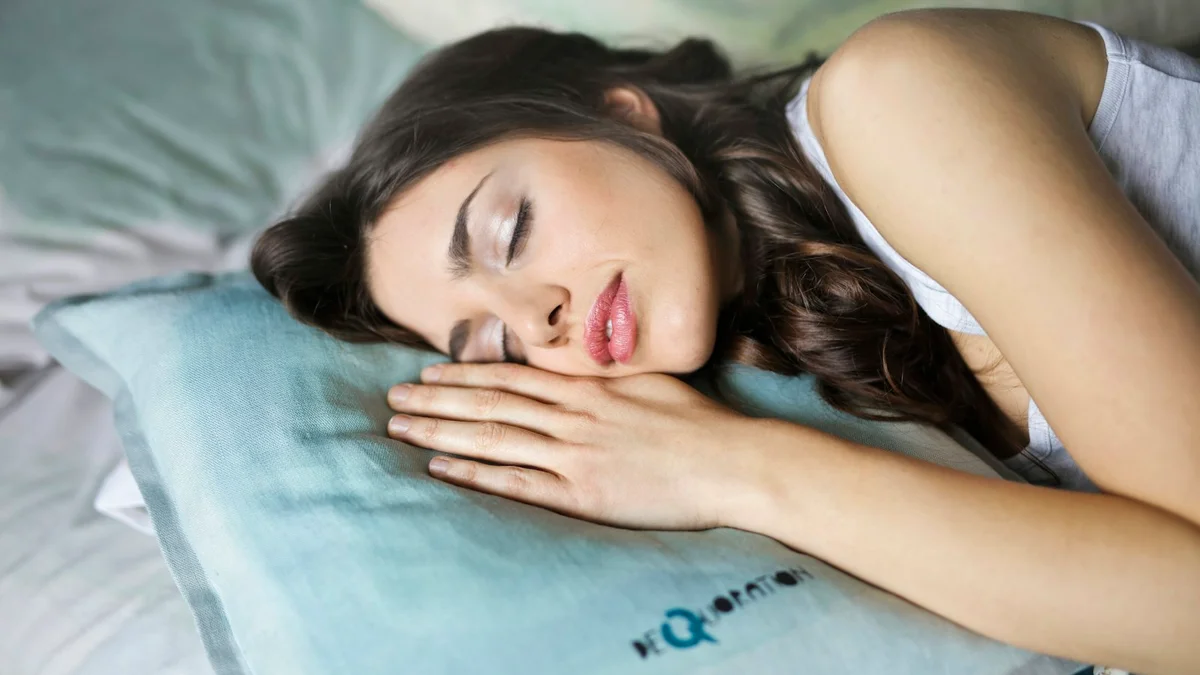
The book makes a quiet claim about breathing and sleep: it helps you fall asleep faster and experience deeper rest. Not with an app, not with a session, with a pattern you already own. Breathing for sleep is the extended-exhale wind-down, five minutes that tell your nervous system the day is over. The breathing techniques guide covers the full practice; this is the version made for the pillow.
Why the exhale helps you sleep
The mechanism is the longest-established one in the book: inhale gently through the nose for a count of four, then exhale slowly through the mouth or nose for a count of six to eight. The longer exhale activates the parasympathetic nervous system, rest and digest.
Sleep is a rest-and-digest activity. The body does not sleep from a fight-or-flight state, and every longer exhale is a small shift in that direction. The evening wind-down is not one big calming technique. It is a series of small, repeated safety signals, sent a few minutes at a time, until the system naturally down-regulates. You are not forcing sleep. You are making the conditions sleep needs.
The five-minute wind-down
The book’s evening practice is specific, and it is worth copying exactly: after the kids are in bed, a warm shower, then five minutes of hand-on-belly breathing, then bed.
Hand on the lower belly. Breathe so the hand gently rises and falls with each breath. Make the exhale longer than the inhale. Five minutes of that, after a warm shower, and the body has what it needs.
Why the belly? The book names the physiology: this kind of breathing activates the ventral vagal system, the part of the nervous system responsible for feeling safe and connected. The hand-on-belly pattern is the safety version of breathing, the one that tells the system there is nothing to guard against, and the system responds by letting go.
The 4-6-8 pattern on the pillow
If five minutes feels like too much on a given night, the pillow version is shorter: three extended exhales as your head hits the pillow.
Four in, six to eight out, three cycles. Thirty seconds. That is the minimum viable wind-down, and it is also the pattern that works when the mind is running. The book is explicit about not forcing: you do not need to master complicated patterns. You only need to return to your breath gently and let it guide you back.
If you count the exhale and the mind still chases the to-do list, count longer. The extended exhale pattern is the one pattern that reliably slows the system down, and the explainer on the extended exhale has the full reasoning behind the ratio.
What to expect the first week
The first nights will not feel dramatic. That is normal, and the book’s honesty about it helps: breathing is not about forcing yourself to relax. It is about sending repeated safety signals so the system can naturally down-regulate. The signals compound.
Expect the first measurable shift around the second week: you notice you are falling asleep faster, or that you wake less, or that the 2 AM mind-race is shorter. The study-like results the book mentions, falling asleep faster and experiencing deeper rest, arrive the same way every habit does, quietly.
The deeper rest connection
The evening pattern matters most precisely because the day pattern was missing. If you are someone for whom sleep has not felt restful for a while, the book’s companion explanation is worth reading: why sleep does not fix fatigue describes the difference between a sleep problem and a system problem, and the evening breathing is the bridge between them.
The hand-on-belly reset is the daytime version of the same pattern, useful when you are stuck in your head at 3 PM instead of 3 AM. Both are the same skill: longer exhale, hand on the belly, safety signals in small doses, repeated.
The wind-down that ends the day
There is one more thing the evening breathing does that has nothing to do with sleep itself: it closes the day.
The five minutes with your hand on your belly are the first moments of the day with no input, no task, no phone. The book’s evening ritual, warm shower, five minutes, then bed, is a border between the day and the night. The day that crosses that border with a longer exhale does not follow you into the pillow. It stays on the other side.
Key takeaways
- The longer exhale activates rest and digest, the state sleep needs.
- The book’s evening ritual: warm shower, five minutes hand-on-belly, then bed.
- The pillow version: three extended exhales, 4 in and 6-8 out, thirty seconds.
- Breathing sends safety signals; it does not force relaxation.
- Shifts come quietly around week two: faster sleep, less waking, shorter night races.
Frequently asked questions
Is breathing for sleep different from a sleep meditation?
Yes. A meditation asks you to hold attention and let thoughts pass. The extended exhale is narrower: a concrete pattern, 4 in and 6-8 out, that mechanically slows the system. Many people who “can’t meditate” find the pattern easier because there is a number to follow instead of a mind to manage.
What if I cannot fall asleep after the five minutes?
Then the five minutes still did their job: they lowered the activation, which is the thing sleep needs. Falling asleep is not always immediate, and the book does not promise a switch. It promises the conditions. If the pattern runs for weeks and sleep genuinely does not come, the sleep article is the next place to look, and a professional is worth seeing for persistent insomnia.
Should I count out loud or silently?
Silently. The counting is a container for the breath, not a chant. Keep the counts even and unhurried: four in, six to eight out. If holding a count feels like work on a tired night, just make the exhale longer than the inhale, and let the pattern carry you.
Can I use the same pattern during a 2 AM wake-up?
Yes, and it is the ideal use. Waking at 2 AM with the mind running is activation, and the extended exhale is the brake. Three cycles in bed, then let the attention drift back to the breath. The pattern works the same at 2 AM as it does at 10 PM, and it is gentler than reaching for the phone, which is the fastest way to stay awake.
You do not need another sleep gadget. You need a longer exhale and a hand on your belly, five minutes after a warm shower. The full breathing practice and the sleep chapter that surrounds it are in Quiet Core Reset - written for people who are done staring at the ceiling and ready to give the body what it is asking for.
This article explains breathing techniques as described in the book. It is not medical advice. If you have a respiratory or cardiac condition, or if dizziness, panic, or other symptoms occur, stop and consult a professional.