Hustle Culture
The Subtle Signs Hustle Culture Is Draining You Quietly
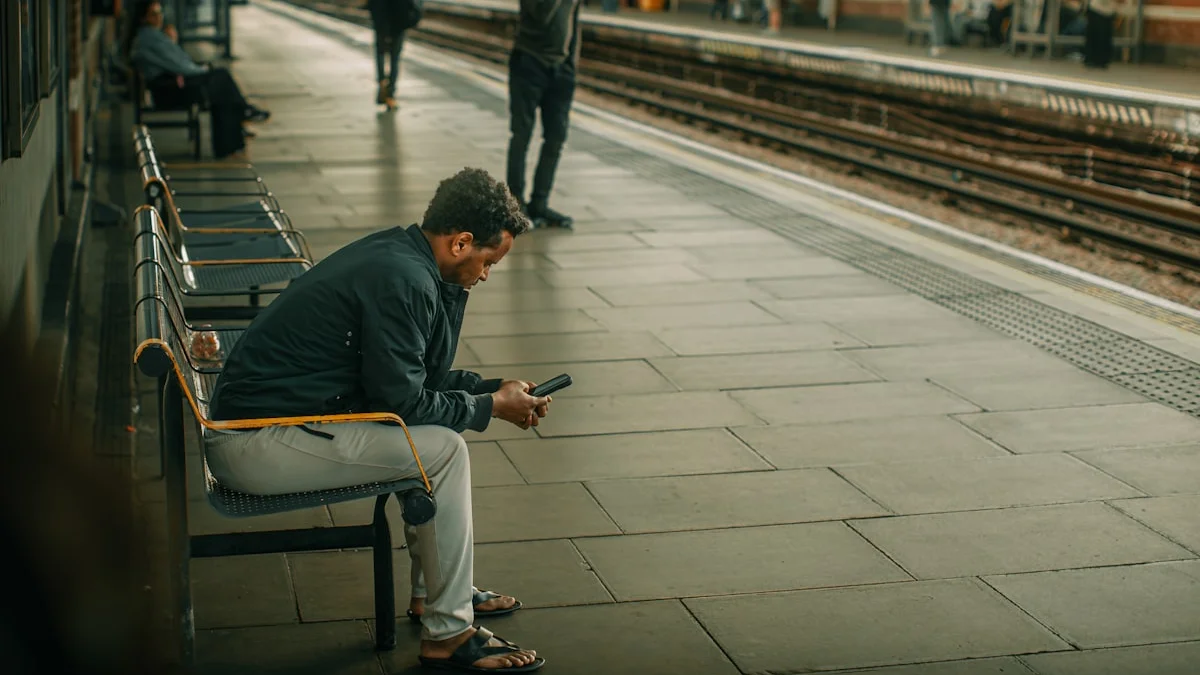
Hustle culture does most of its damage quietly. The loud signs, the 5 AM routines and the all-nighters, are easy to spot. The quiet ones hide inside things that look healthy: the educational podcast, the productive hobby, the optimized morning. These are the subtle hustle culture signs, and they drain you without announcing themselves. The book Quiet Core Reset names the mechanics, and our hustle culture guide maps how the drain works.
Quiet drains look like improvement
The subtle signs all share one shape: they look like growth and function as leaks. The book is precise about this: “Even ‘productive’ stimulation can be draining.” A podcast about productivity is still stimulation. An educational video is still a screen. A hobby with a growth plan is still output.
The reason these are dangerous is that they bypass your defenses. You do not question the podcast because it is “learning.” You do not question the optimized morning because it is “efficiency.” The drain never gets named, so it never gets stopped. “Your core doesn’t need more effort. It needs fewer unnecessary drains.” The quiet signs are the unnecessary drains wearing productive costumes.
The subtle signs hustle culture is draining you
- You cannot do one thing without an overlay. Cooking requires a podcast. Walking requires a call. Waiting requires a scroll. The empty moment has become unbearable, and you fill every one of them. The filling is the drain. “When every single moment is expected to be productive or optimized, we lose the ability to simply be present.”
- Your hobbies have become projects. The thing that used to be play now has goals, metrics, and a growth plan. The hobby joined the grind. If your leisure has a content calendar, you have found the subtle sign.
- Your commute is a classroom. Every drive, every train ride, every walk is an opportunity to learn something, listen to something, optimize something. The book’s warning applies: even productive stimulation can be draining. The mind never rests because the mind is never unoccupied.
- You measure everything. Steps, hours, words, streaks, scores. The measurement is not the problem. The problem is what it does to your attention: every moment becomes a data point, and data points do not rest.
- The vacation races. You plan the vacation like a project. The itinerary is optimized, the reading list is packed, the “recovery” is scheduled. You come home tired, because the break was never a break. “Even on weekends or during vacation, the mind keeps racing with to-do lists and worries.”
- Your rest has to be productive too. The nap must be the right length, the meditation must be the right app, the bedtime must be the right ritual. Rest stops being rest and becomes another optimization. The system follows you into your sleep.
- You feel quietly proud of how much you can carry. The pride is the clue. “The more you achieve and the busier you appear, the more valuable you feel.” The subtle drain is the one you are proud of, because pride is the payment the system uses.
The mechanism behind the quiet drain
All seven signs run on the same engine: chronic activation. “Chronic activation” is the book’s term for the low-level alarm your nervous system runs when it never gets real downtime. It is not a panic. It is a hum, constant and wearing.
Over months and years, the hum does its work quietly. The book describes what happens: the system starts downregulating, turning down the “non-essential” functions, including creativity, deep focus, emotional connection, and the basic ability to enjoy things. The subtle hustle culture signs are the front end of that downregulation. The drained excitement, the flat hobby, the raced rest, they are the system conserving energy because it stopped believing rest will come.
Where the quiet drain stops
The countermove is as quiet as the drain. It is not a dramatic intervention. It is choosing, a few times a day, to leave a moment unfilled.
One walk without a podcast. One meal without a screen. One hobby with no goal. The book’s question applies at each of these moments: “When you notice tension or fatigue, pause and ask gently: ‘What do you need right now?’ instead of immediately trying to push through or fix it.” Often the answer is nothing. Nothing is a legitimate answer, and the practice of choosing nothing is the practice of exiting the system.
If you see yourself in these signs, 9 signs you are stuck in hustle culture catches the louder versions of the same pattern. For the mechanism behind it, what science says about hustle culture explains chronic activation and cognitive overload in plain language. And the grinding or living self-check will tell you where you stand today.
Key takeaways
- The quiet signs look like improvement and function as leaks.
- Even productive stimulation can be draining.
- Seven subtle signs: constant overlays, hobbies as projects, classrooms on the commute, measuring everything, racing vacations, optimized rest, and pride in carrying too much.
- The engine is chronic activation, and it downregulates joy, focus, and connection.
- The countermove is one unfilled moment, chosen on purpose.
Frequently asked questions
Is it really draining to listen to podcasts while doing chores?
The book says yes: even productive stimulation can be draining. The issue is not the podcast. It is the absence of any moment without input. A nervous system that never gets an unfilled moment never fully exits activation. The drain is cumulative, and it is invisible because it feels productive.
How do I know if my hobby is a drain or a genuine joy?
Ask what happens when it has no goal. If the hobby can exist without a metric and still feel good, it is joy. If it loses meaning the moment there is no progress to measure, the grind has absorbed it. The test is whether the activity can tolerate being pointless.
What is the fastest way to reverse the quiet drain?
Pick the one unfilled moment that costs you nothing: a walk without a podcast, a meal without a screen. The book’s frame is that fewer drains beat more effort. One small unoptimized choice daily is doing more than any productivity system, because it gives the nervous system what it is actually asking for.
Do these signs mean something is wrong with me?
No. They mean you are a biological being living inside an environment that rewards constant activation. The book is clear that your fatigue is not a personal failure. It is an intelligent response to living against human design. The signs are the system’s feedback, and feedback is useful.
This article explains how the book describes hustle culture and its effects. It is not medical advice. If exhaustion, anxiety, or burnout symptoms persist, consult a professional.
Quiet Core Reset, the book that started this conversation.