Energy Audit
Why Scrolling Doesn't Actually Rest You
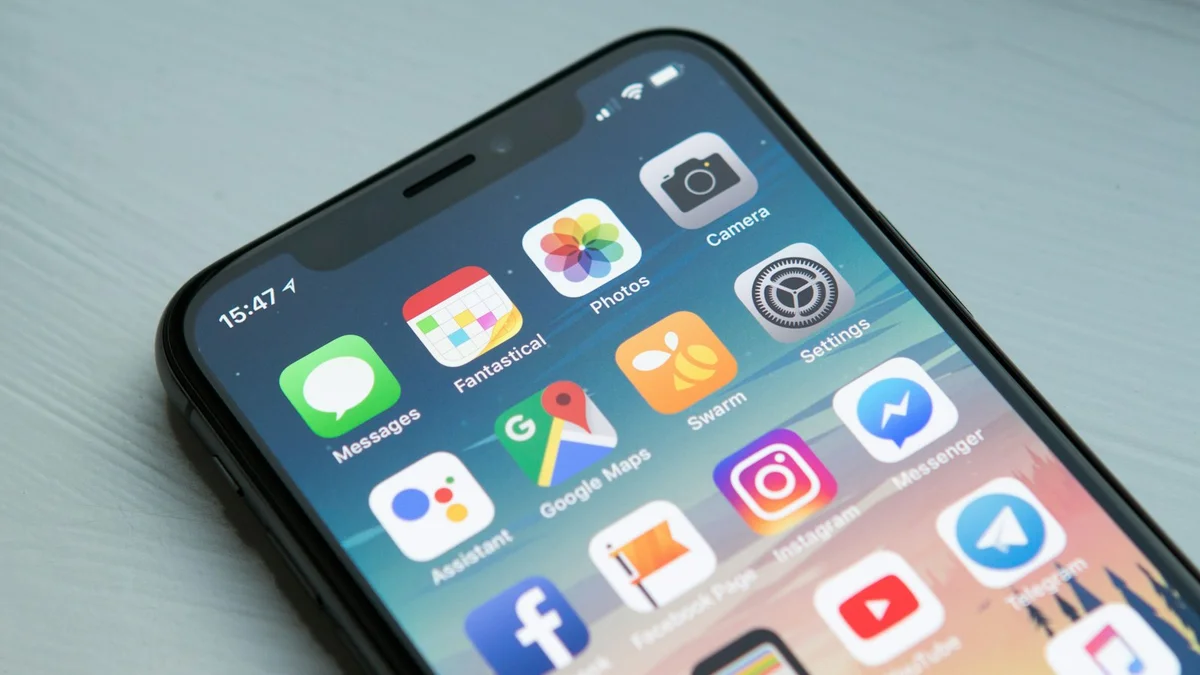
You collapse on the couch after a long day. You pick up your phone and start scrolling. Instagram, news, Reddit, TikTok. You tell yourself you are resting. You are taking a break. You are relaxing.
An hour later, you feel worse. Tired. Foggy. Irritable. Somehow more exhausted than before you sat down.
The book Quiet Core Reset names the problem directly: “Even ‘resting’ activities (like scrolling or watching shows) can be surprisingly draining.”
Scrolling is not rest. It is a different kind of work that masquerades as relaxation. Understanding why changes how you recover.
The illusion of scrolling as rest
Scrolling feels like rest because it is passive. You are not producing anything. You are not solving problems. You are not making decisions. You are just consuming.
But passive consumption is not the same as rest. Rest means your nervous system down-regulates. It means stress hormones decrease. It means your body and mind recover.
Scrolling does none of this. It keeps your nervous system activated - processing information, reacting to content, making micro-decisions about what to read next. The passivity is an illusion.
The book explains: “Social media or news consumption creates a false sense of energy followed by a sharp crash.” You feel engaged, stimulated, even entertained. Then the crash hits, and you feel worse than before.
Why scrolling drains you
Several mechanisms make scrolling draining:
Constant stimulation. Every post, every headline, every comment is new information. Your brain processes each one, even if you do not notice. This processing uses energy.
Emotional reactions. Content triggers emotions - outrage, envy, fear, amusement, comparison. These reactions, even when small, cost energy.
Decision fatigue. Every scroll requires a micro-decision: read or skip? Engage or move on? These decisions accumulate.
Comparison. Social media invites comparison. Even when you know better, the comparison happens automatically. It is exhausting.
FOMO and anxiety. News and social media often trigger fear of missing out or anxiety about the world. These states drain energy.
The result is that you end your scrolling session more tired than when you started. The “rest” was actually expenditure.
The crash
The crash after scrolling is real. You might feel it as sudden tiredness, brain fog, irritability, or a strange emptiness. The book describes it as “a false sense of energy followed by a sharp crash.”
This crash happens because the stimulation was artificial. Your nervous system was activated - not by genuine engagement, but by novelty and emotional triggers. When the stimulation stops, the activation crashes, and you feel the deficit.
This is different from genuine rest, where you feel better afterward. After scrolling, you feel worse. That is the signal.
What genuine rest looks like
Genuine rest has several characteristics:
Reduced stimulation. Not no stimulation, but reduced stimulation. Quiet, nature, gentle music - these allow the nervous system to down-regulate.
Present-moment focus. Rest happens in the present. Scrolling pulls you into other people’s content, other places, other times. Rest keeps you here.
Physical release. Rest often involves the body - stretching, walking, lying down. Scrolling keeps the body still while the mind races.
Emotional neutrality. Rest does not trigger strong emotions. It allows the emotional system to settle. Scrolling often triggers strong emotions.
Sensation of improvement. After genuine rest, you feel better. More energy, more clarity, more calm. After scrolling, you feel worse.
Alternatives that actually work
If scrolling is not rest, what is? Here are alternatives that take the same amount of time but actually restore energy:
Walking. Five to ten minutes of walking, especially outdoors, restores energy through movement, nature, and reduced stimulation.
Breathing. Three to five minutes of slow breathing activates the parasympathetic nervous system and genuinely calms you.
Doing nothing. Sit or lie down without your phone. Do nothing. Let your mind wander. This feels uncomfortable at first but is genuinely restorative.
Gentle stretching. Release physical tension while calming the mind. Five minutes is enough.
Listening to music. Without screens, without multitasking. Just music. This can be genuinely restful.
Each of these alternatives provides what scrolling promises but does not deliver: actual rest.
The boundary
The book does not say never scroll. It says recognize what scrolling actually is: consumption, not rest.
If you want to scroll, scroll. But do not call it rest. Call it what it is - a different activity that has its own costs. When you are tired and need recovery, choose something that actually restores.
This distinction - between consumption and rest - is one of the most important insights from an energy audit. Many people discover that their primary “rest” activity is actually their primary energy drain.
Key takeaways
- Scrolling feels like rest but is actually a different kind of work.
- Social media and news create false energy followed by a sharp crash.
- Genuine rest involves reduced stimulation, present-moment focus, and physical release.
- After scrolling you feel worse; after real rest you feel better.
- Alternatives that actually restore: walking, breathing, doing nothing, stretching, music.
Frequently asked questions
Is all screen time draining?
Not necessarily. Some screen time can be restorative - video calls with loved ones, educational content you care about, creative engagement. The key is whether you feel better or worse afterward.
How do I stop scrolling when I am tired?
Recognize that you are seeking rest, not scrolling. Put the phone in another room. Choose one alternative from the list. The urge passes quickly when you give your system what it actually needs.
Can I scroll in moderation?
Yes, if you are honest about what it is. Scrolling in moderation is consumption, not rest. The problem is when you use it as your primary rest strategy.
What if scrolling is the only thing I enjoy?
If scrolling is genuinely enjoyable and not a coping mechanism, that is different. Enjoyment and rest are not the same thing. You can enjoy something that is not restful. Just do not expect it to restore you.
Up next: Understand the biggest myth about rest in The Biggest Myth About Rest and Productivity.
For the full guide to energy auditing, visit the Energy Audit Guide. Related reads include Hidden Energy Leaks in Your Day and Micro-Recovery Moments.
This article discusses scrolling and rest as described in the book. It is not medical advice. If you are dealing with addiction to screens or severe fatigue, please work with a qualified professional.
Quiet Core Reset, the book that started this conversation.