Somatic Awareness
Movement Without Pressure: Reconnecting With Your Body
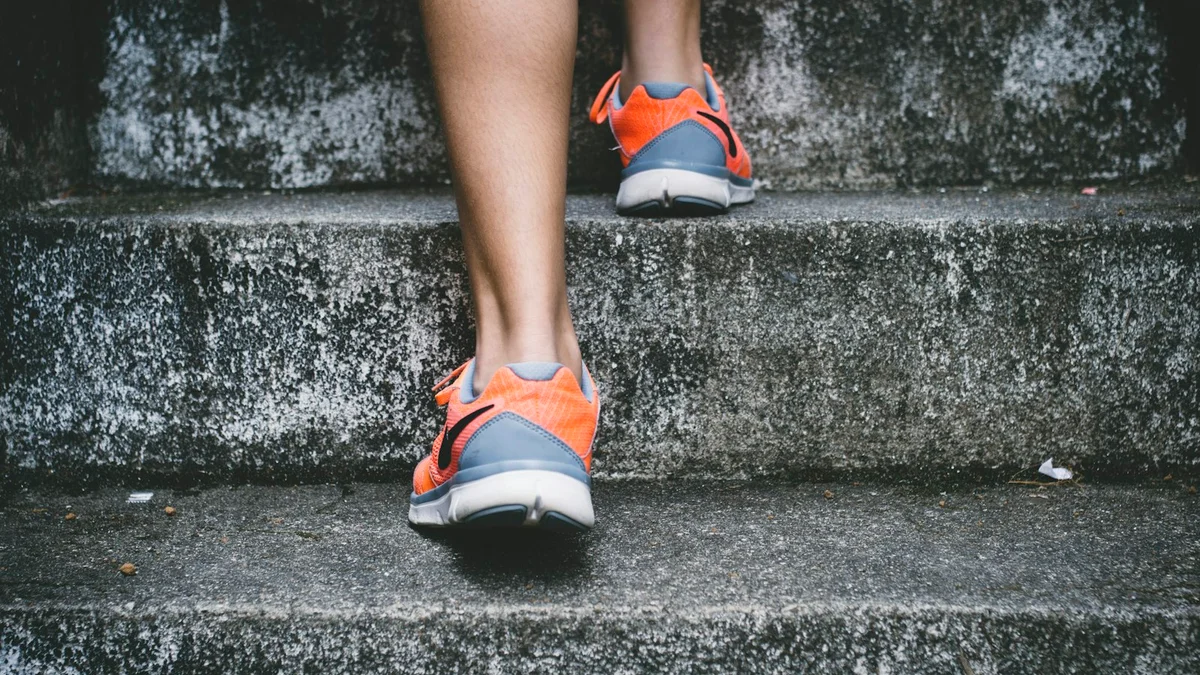
You know you should move your body. But “should” is the problem.
Exercise has become another item on the productivity list. Another thing to perform. Another metric to optimize. Steps, calories, heart rate, intensity. The body becomes a machine to be pushed, not a partner to be heard.
Movement without pressure is different. It’s not about burning calories or hitting targets. It’s about listening to what your body actually wants - and giving it that, without agenda.
This article explains why pressured movement hurts and how to reconnect with movement as listening. It is one thread of our somatic awareness guide, which gathers these practices in one place.
Key takeaways
- Exercise became another performance metric; movement without pressure is listening instead.
- Any movement without a goal, metric, or judgment counts - shifting in your chair included.
- The intention is what your nervous system receives: safety, not threat.
- Ask your body how it wants to move, follow the impulse, and stop when it’s enough.
Why exercise has become pressure
The culture turned movement into performance. “No pain, no gain.” “Push harder.” “Earn your rest.” The message is clear: movement is punishment for eating, compensation for resting, proof that you’re productive.
When movement is pressure, it doesn’t heal. It depletes. You exercise to “fix” your body, and the exercise becomes another source of stress. The body tightens instead of releases. The nervous system activates instead of calms.
The book describes this: “Coming back to your body gently is not about forcing intense exercise, strict diets, or rigid body practices. It is about rebuilding a kind, patient, and respectful relationship with the physical vessel that carries you through life.”
The relationship, not the performance, is the point.
What movement without pressure looks like
Movement without pressure is any physical activity done without a goal, a metric, or a judgment.
Shifting in your chair. Rolling your shoulders. Stretching your arms. Tilting your head. Small movements that feel good, done because your body wants them.
Walking slowly. Not for steps. Not for fitness. Just walking. Feeling your feet on the ground. Feeling the air. Feeling the movement in your hips and legs.
Stretching because it feels good. Not because you “should.” Not because an app told you. Because your body asked for it.
Dancing in your kitchen. No choreography. No performance. Just movement that expresses something - joy, relief, restlessness.
Lying on the floor and moving. Stretching, rolling, reaching, curling. Moving without any goal of burning calories or achieving fitness. Moving simply because your body wants to move.
The book captures this: “Movement without pressure is medicine for a dysregulated nervous system.”
Why it works
Movement without pressure works because it’s not about the movement. It’s about the relationship.
When you move without pressure, you tell your body: “You are safe to move. You don’t have to earn rest. You don’t have to perform to be worthy.” The message is safety. The nervous system receives it.
When you move with pressure, you tell your body: “You are not enough as you are. You need to be fixed. You need to perform.” The message is threat. The nervous system receives that too.
The difference isn’t the movement. It’s the intention. The same stretch can be medicine or punishment, depending on whether it comes from kindness or criticism.
How to practice
The practice is simple:
Step one: ask your body. Before moving, ask: “How do you want to move right now?” Don’t answer for the body. Let the body answer. Sometimes the answer is “stretch.” Sometimes it’s “walk.” Sometimes it’s “stay still.”
Step two: follow the impulse. Whatever the body asks for, do it. Even if it seems silly. Even if it’s small. Even if it’s just a shoulder roll. Follow the impulse.
Step three: notice what feels good. As you move, notice what feels good. What feels like relief. What feels like release. Follow that. Let the feeling guide you.
Step four: stop when it’s enough. The body knows when it’s had enough. When the movement feels complete, stop. Don’t push for more. Don’t optimize. Just stop.
The book says: “It tells your body: ‘You are safe to move. You don’t have to earn rest. You don’t have to perform to be worthy.’”
The micro-movement practice
You don’t need an hour. You need 2 to 3 minutes.
At your desk: Roll your shoulders backward 5 times. Tilt your head gently side to side. Stretch your arms above your head. Let out a long sigh. Two minutes. That’s it.
While waiting: Shift your weight from foot to foot. Roll your ankles. Clench and unclench your fists. Feel the sensations. One minute.
Before bed: Lie on your back. Stretch your arms and legs wide. Curl into a ball. Stretch again. Move in whatever way feels good. Three minutes.
These micro-movements aren’t exercise. They’re communication. They tell your body: I’m here. I’m listening. You matter.
Walking without purpose
Walking is the simplest form of movement without pressure.
Not walking for steps. Not walking for fitness. Not walking to get somewhere. Just walking. Feeling your feet on the ground. Feeling your body in motion. Feeling the rhythm of your steps.
The book recommends: “Short walk without a goal. Feel your feet on the ground, your body in motion. Leave your phone. Walk slowly enough to feel your breath and the movement in your hips and legs.”
Walking without purpose is radical because it has no metric. No target. No achievement. Just movement. Just presence. Just you and your body, moving together.
What changes when you move without pressure
Something shifts when you separate movement from performance.
The body softens. Without the pressure to perform, the tension decreases. The body relaxes into movement instead of bracing against it.
The nervous system calms. Movement without pressure activates parasympathetic response. The body learns that movement is safe, not threatening.
Joy returns. Movement becomes enjoyable instead of obligatory. The pleasure of moving - just moving - reappears.
The relationship rebuilds. You start treating your body as a partner instead of a machine. The trust rebuilds. The communication improves.
The book promises: “When you stop treating your body as a machine that keeps failing you and start treating it as a wise partner that has been protecting you all along, deep healing becomes possible.”
Movement without pressure is where that healing begins.
Frequently asked questions
Is movement without pressure the same as lazy?
No. Lazy implies avoidance. Movement without pressure implies listening. The body moves when it wants to, rests when it needs to. The difference is intention, not effort.
Can I still do intense exercise?
Yes, if it comes from kindness, not punishment. The issue isn’t intensity. It’s the intention behind it. Moving intensely because your body wants to is different from moving intensely because you think you should.
What if I don’t feel like moving at all?
That’s information. The body might be asking for rest, not movement. Listen to it. Rest without pressure is also medicine. How to feel safe in your body addresses this.
How do I know if my movement is pressured?
Notice how you feel during and after. If you feel stressed, critical, or performative, it’s pressured. If you feel present, curious, or relieved, it’s not. The feeling is the indicator.
Can this help with chronic pain?
Movement without pressure can help by reducing the tension and stress that often worsen pain. But chronic pain deserves professional support. This practice complements medical care, not replaces it.
If you found this helpful, you might also enjoy exploring Walking Without Purpose, Micro-Movements for Tension Release, and Your Body Has Been Protecting You All Along.
Educational content, not medical advice - if pain persists during movement, please consult a professional.