Digital Overload
Why "Just Checking" Your Phone Drains You: Digital Overload in Modern Life
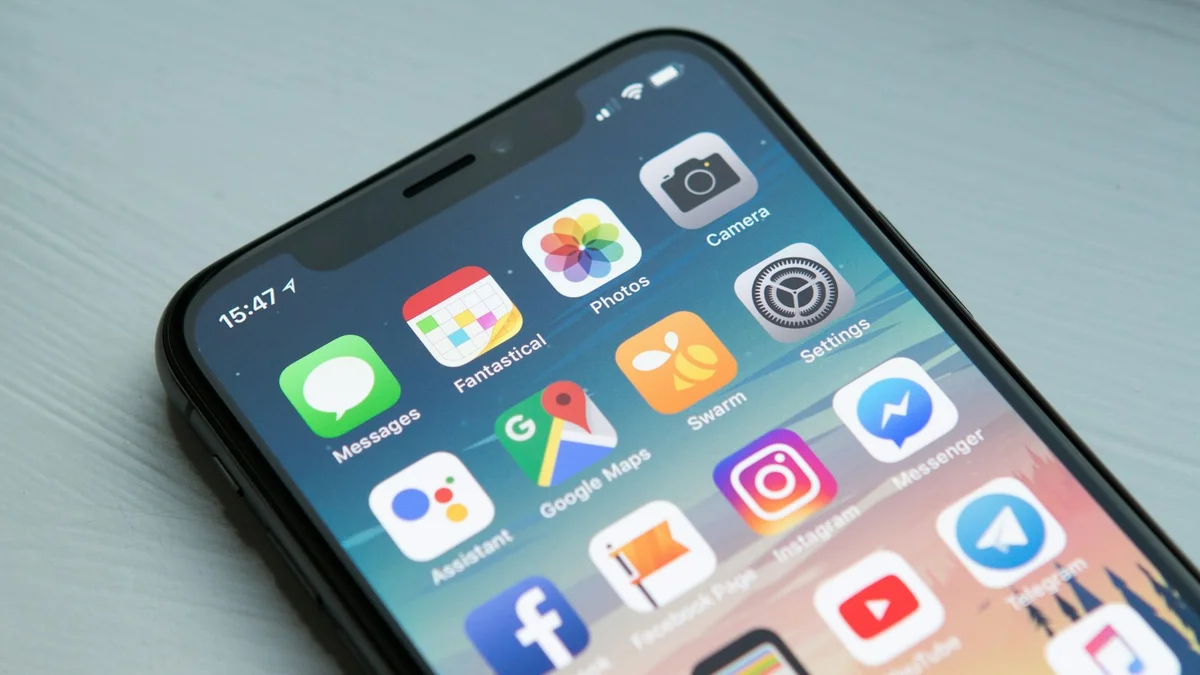
“Just checking” is the phrase that hides the problem. You pick up the phone to check one thing-a message, the weather, the time-and put it down ten seconds later. Minimal interaction. Barely any screen time. So why do you feel a little more scattered afterward?
The answer is that “just checking” isn’t minimal. It’s a full neurological event compressed into a few seconds, and its cost has nothing to do with duration. The book Quiet Core Reset explains that the interruption itself is what drains you, not the time spent on the phone. The digital overload guide goes deeper into the mechanisms. This post explains why even brief phone checks fragment your attention and leave you more tired than you were before.
Key takeaways
- A ten-second check is a full neurological event: attention switch, evaluation, anticipation, context break.
- The cost lives in the interruption itself, not in the screen time.
- Thirty one-minute checks drain you more than one thirty-minute session.
- Batching your checks and adding one phone-free pocket lowers the load without quitting your phone.
What happens when you “just check”
When you reach for your phone, your brain initiates a sequence of events that takes time and energy to complete. The sequence doesn’t care whether you check for five seconds or fifty minutes. The cost is in the initiation, not the duration.
The attention switch. Your brain was focused on something-your work, a conversation, a thought. The phone interrupts that focus. Your attention shifts from the task to the phone. This shift takes roughly twenty to thirty minutes to fully recover from, according to research on attention residue. Even if you only checked the phone for ten seconds, your brain doesn’t return to the previous task cleanly. A fragment of your attention stays with the phone, processing what it saw, even after you’ve put it down.
The evaluation load. When you check your phone, your brain evaluates what it sees. Is this message urgent? Is this notification relevant? What does this headline mean? Even a quick glance requires processing: reading, interpreting, deciding. That processing uses cognitive resources, and it happens whether you act on the information or not.
The anticipation. The phone is a variable-reward system. You check, and sometimes there’s something interesting. Sometimes there isn’t. This unpredictability keeps your brain in a state of mild anticipation: next time, there might be something. That anticipation is a low-level activation of your nervous system’s seeking circuit. It’s the same chemistry that makes slot machines compelling. One check activates it briefly. Dozens of checks throughout the day, and the activation becomes your baseline.
The context break. Whatever you were doing before the check gets interrupted. If you were working on a problem, the problem state gets disrupted. If you were in a conversation, your presence in the conversation gets interrupted. If you were thinking about something, the thought gets displaced. Rebuilding that context takes time-time your brain spends even when you’ve moved on.
This is why “just checking” is so insidious. It feels like nothing happened. But neurologically, everything happened. The switch, the evaluation, the anticipation, the context break-all of it occurred in those few seconds. The phone didn’t take much time. It took attention, and attention is the resource you can’t get back by resting.
The cumulative effect
One check is a small cost. A hundred checks is a large one. The problem isn’t any individual interaction with your phone. It’s the sheer volume of interactions, each one adding a small cognitive tax, over the course of an entire day.
The book describes this directly: “These micro-interruptions may seem harmless individually, but when they happen hundreds of times throughout the day, they create a massive cumulative drain on your mental and emotional energy.” The word “cumulative” is important. No single check ruins your day. But the aggregate of all the checks-the attention switches, the evaluation loads, the context breaks-adds up to a significant reduction in your available cognitive resources.
This is why you feel tired without having done much. Your body didn’t work hard. Your brain did, processing hundreds of micro-interruptions that each felt like nothing. By evening, the resources are depleted. You feel scattered, flat, unable to focus. You didn’t do anything exhausting. Your phone did it to you, one check at a time.
The myth of the quick check
The idea that checking your phone briefly is harmless rests on a misunderstanding of how attention works. We assume that because the phone was in our hand for only a few seconds, the impact was proportional. It wasn’t.
Think of it like this. If someone taps you on the shoulder while you’re concentrating, the interruption isn’t just the tap. It’s the tap, plus the time it takes to reorient, plus the fragment of attention that stays with the interruption even after you’ve turned back to your task. The tap took half a second. The recovery takes minutes. The phone check works the same way.
This is why people who check their phones frequently often feel more tired than people who check less often, even if the total screen time is similar. The person who checks once for thirty minutes has fewer interruptions than the person who checks thirty times for one minute each. Fewer attention switches. Fewer context breaks. Less cumulative drain.
The book calls this the “attention fragmentation” effect: your focus gets chopped into pieces, and each piece costs energy to reassemble. The more you check, the more fragmented your attention becomes. By the end of the day, you can’t focus on anything-not because you’re tired from doing too much, but because your attention has been broken into too many pieces.
The nervous system angle
Beyond attention, “just checking” affects your nervous system in ways that aren’t immediately obvious.
Each check is a small signal to your brain that something outside your current environment might need you. Your brain treats this as a low-level alert: something is happening, and you might need to respond. This keeps your nervous system in a state of mild activation-not full stress, but not rest either.
Over the course of a day, hundreds of these small alerts accumulate. Your nervous system never gets a sustained period of calm where nothing is asking for it. The result is a baseline level of tension that you stop noticing because it’s always there. You feel “wired but tired”-activated but exhausted. The phone keeps your system running, and the running is what’s draining you.
The book explains this in the context of digital overload: “Your body may be resting physically, but your nervous system has remained in a state of mild activation the entire time. Deep, restorative rest never truly occurs.” Checking your phone is a form of mild activation. Do it frequently enough, and your nervous system never fully settles.
Why you check without deciding
The habit of checking is so automatic that most people don’t experience it as a choice. The impulse arises, the hand moves, the phone is checked. By the time consciousness catches up, the check is already happening.
This automaticity is by design. The phone’s notification system, the variable rewards of social media, the infinite scroll-all of these are engineered to create habits that fire without conscious input. You don’t decide to check. The habit decides for you.
The book describes the result: “This fragmentation creates a strange paradox: we are more digitally connected than ever before, yet many of us feel increasingly disconnected from ourselves, our bodies, and the present moment.” The automatic checking pulls you out of whatever you’re doing. You’re not fully present in your work, your conversation, or your rest. You’re partially present, with the rest of your attention allocated to the phone, waiting for the next check.
Breaking this automaticity requires awareness, not willpower. You don’t fight the habit. You notice it. When you feel the urge to check, you pause for a moment and ask: do I need this? Is this serving me? Mindful consumption teaches this practice. The five-second pause between impulse and action is how you reclaim the choice that the habit took from you.
What helps
If “just checking” is draining you, the solution isn’t to check more or to check less. It’s to check with awareness.
Create phone-free pockets. The phone-free pocket is the most direct intervention. When the phone isn’t in your hand or within reach, you can’t check it. The urge to check decreases dramatically when the phone is in another room. Start with one pocket a day-morning coffee, a meal, the first thirty minutes of work-and expand from there.
Batch your checks. Instead of checking sporadically throughout the day, designate specific times. Check at noon. Check at five. Check at eight. Between those times, the phone stays out of reach. This reduces the number of attention switches and gives your brain sustained periods where nothing is interrupting it.
Notice the urge. The urge to check is a signal, not a command. When you feel it, notice it. Name it. “There’s the urge to check.” You don’t have to act on it. You don’t have to fight it. Just noticing it creates a gap between the impulse and the action, and in that gap, you have a choice.
Understand what you’re avoiding. Sometimes the check isn’t about information. It’s about escape. You check because you don’t want to feel what you’re feeling-boredom, anxiety, loneliness, discomfort. The phone is easier than the feeling. But the feeling doesn’t go away. It waits. Quiet emotional processing - sitting with the feeling for a minute instead of muting it - is how you keep the phone from becoming your only escape.
Use transitions as anchors. The moments between activities-walking to your car, waiting for coffee, the gap between meetings-are when the urge to check is strongest. These moments feel empty, and the phone fills emptiness. Instead of filling it with the phone, fill it with a breath, a stretch, a glance out the window. A physiological sigh takes two seconds and does more for your nervous system than scrolling.
The bigger picture
“Just checking” is the most common form of digital overload because it’s the least visible. Nobody scrolls for hours and thinks it’s fine. But everybody checks their phone a hundred times a day and thinks it doesn’t matter.
It matters. Not because checking is wrong, but because the cumulative cost is real. Attention switches, context breaks, nervous system activation, cognitive drain-these add up across a day, and they explain why you feel tired without having done much. The phone didn’t take your energy by being used. It took your energy by being checked, over and over, in small increments that each felt like nothing.
The good news is that the fix is proportional to the problem. Small changes make a big difference. One phone-free pocket. One batch of checks. One pause before reaching for the phone. These aren’t dramatic interventions. They’re small shifts that reduce the cumulative load and give your brain room to recover.
The book’s approach-gentle space-creation-is built on exactly this idea. You don’t need to overhaul your life. You need to create small pockets of space where your brain can rest. Phone boundaries are the framework. Mindful consumption is the practice. The digital self-check is the awareness tool.
The evening version of this problem feels like mental tiredness after a day of small checks. And it helps to know the common boundary mistakes before you start making changes.
You don’t need to quit your phone. You need to stop letting “just checking” be the thing that quietly drains you all day long. One pause. One pocket. One moment of awareness. That’s where it starts.
Frequently asked questions
Is a quick check really as draining as a long scrolling session?
Per interruption, yes - the attention switch and recovery happen whether you checked for ten seconds or ten minutes. Across a day, thirty quick checks actually cost more than one longer session, because each one restarts the cycle.
Why do I check my phone without deciding to?
The habit is engineered that way. Variable rewards and infinite scroll train your brain to fire the checking routine automatically. Awareness, not willpower, is what breaks the autopilot.
How many checks a day are too many?
There’s no magic number. The warning sign is simpler: if you’re checking without a reason and feeling scattered by evening, the volume is costing you more than it’s giving.
What’s one change that helps right away?
Batch your checks into two or three set windows a day. Between windows, keep the phone out of reach. The number of attention switches drops immediately.
This article explains how the book describes digital overload and gentle space-creation. It is not medical advice. If low mood or fatigue persists, consult a professional.