Hustle Culture
The Hustle-Awareness Checklist: Catch the Grind Early
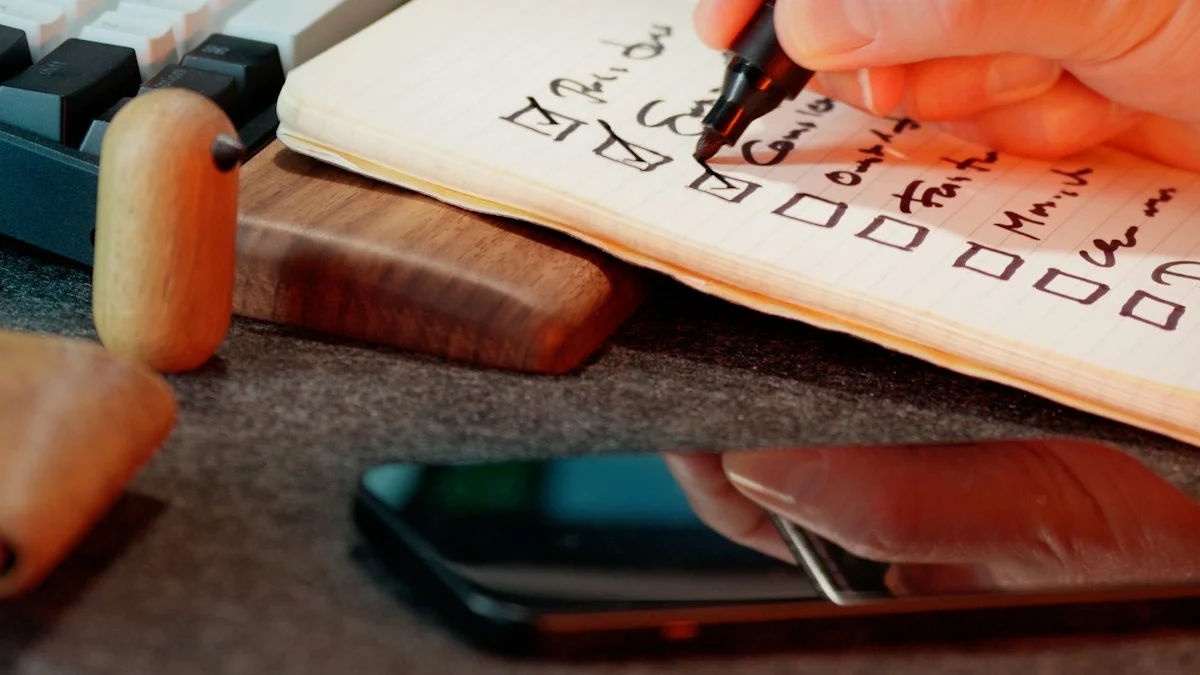
The grind is easiest to catch early, and hardest to catch late. By the time you notice you are running on fumes, the pattern has already been running you for months. This checklist is the early-warning system: one page, printed, that helps you catch the grind before it catches you. The complete hustle culture guide explains the system; this is the action sheet.
How to use this checklist
Print it. Keep it where your eyes land daily: on the desk, the fridge, the bathroom mirror. Each day, run the items quickly. You are not trying to pass an exam. You are trying to notice the patterns while they are still small.
The goal is not perfection. The goal is awareness before impact.
The daily hustle-awareness checklist
Morning (before the grind starts)
- Woke up and checked work before your feet touched the floor
- The first thought was a task, not a person or a breath
- Said “I’m so busy” before breakfast
- Planned any moment of the day with no task and no input
During the workday
- Skipped lunch or ate it at the desk
- Reached for the phone during a pause instead of sitting in it
- Felt the pull to answer a message the moment it arrived
- Overrode a dip in energy with caffeine or self-criticism
- Used “I’ll rest when this is done” as a promise to a future self
When the grind voice gets loud
- Said “I should be doing more” in the last hour
- Compared your output to someone else’s highlight reel
- Felt guilty about a break you actually took
- Answered “what do you need right now?” with a task instead of a need
Evening (the border)
- Checked work after the official end of the day
- The phone was in the same room as your sleep
- The last thing before sleep was a screen, not a breath
- Went to bed with the to-do list still running
The “already burned out” short list
Some days, even the checklist is too long, especially if the grind already got you. On those days, run only these three:
- Catch one thought that blamed you for being tired, and correct it
- Remove one unnecessary drain, just one
- Take ten minutes with no input and no task
The short list is not a small version of the practice. It is the whole practice on the days that require it. If the burnout is already here, the recovery article is the companion page to this one.
Why a paper checklist works
A checklist works because it bypasses the part of you that argues. When the grind voice is loud, you do not want to debate it, you want to notice it, and a checkbox is notice with zero friction.
It also creates a feedback loop. Each check mark is evidence of a pattern, and patterns are easier to change once they are visible. The book’s phrase applies here perfectly: small actions, repeated consistently, have a compound effect that most people underestimate. Awareness compounds the same way. One honest check mark a day, over a month, is a different life. If you are not sure which patterns are running you, the 3-minute grind-or-living self-check is the diagnostic version, and the 9 signs of being stuck in hustle culture list the patterns in words.
Tracking over time
Review the checklist once a week. Which boxes are you checking regularly? Which items feel invisible, because the pattern is so automatic you did not even notice it?
The data is not a verdict. It is information about where the grind lives in your particular day, and the awareness is the intervention. The 10-minute escape practice, in escaping hustle mode in 10 minutes a day, gives you the smallest daily tool for the patterns the checklist reveals.
After a month, you will notice the checklist becoming less necessary. You will feel the dip before you reach for the caffeine. You will hear the grind voice and let it pass. The checklist is training wheels, and there is no shame in keeping it on the fridge for as long as it helps.
Key takeaways
- The grind is easiest to catch early and hardest to catch late.
- One check mark is notice with zero friction.
- Awareness compounds: one honest check a day changes a month.
- The already-burned-out short list is three items, and it counts.
- Review weekly, adjust, and let awareness become automatic.
Frequently asked questions
How do I get the printable version?
The printable version comes with the free toolkit: the hustle-awareness checklist, the weekly review sheet, and the guided audio of the 90-second reframe. The list on this page is the full checklist, so you can also just print the page itself.
Is checking “yes” a bad thing?
No. The checklist is not a scorecard and “yes” is not a failure. The point is noticing, not judging. A “yes” you see is a pattern you can change. A pattern you cannot see runs you. Checking honestly is the whole practice.
What if I cannot do the full checklist every day?
Run the short list. Three items: catch one self-blame thought, remove one drain, take ten unplugged minutes. On the worst days, that is the complete practice, and it is enough. The checklist is built to shrink when you need it to.
How is this different from the self-check article?
The self-check is a one-time diagnostic that tells you where you stand. This checklist is the ongoing early-warning system you run daily. They work together: the self-check shows you where to start, and the checklist keeps you there.
The full toolkit, including this checklist as a printable PDF, is part of the free resources that come with Quiet Core Reset - the book that walks you through the hustle system, the science, and the step-by-step unlearning, without the lectures.
This article explains how the book describes hustle culture and its effects. It is not medical advice. If exhaustion, anxiety, or burnout symptoms persist, consult a professional.