Muted Joy
How to Find Joy When You Have No Energy
You are exhausted. The idea of “finding joy” sounds exhausting. You do not have the energy to go anywhere, do anything, or try anything new. You just want to get through the day.
I understand. And I am not going to tell you to take a dance class, go on a nature hike, or have a meaningful conversation. I am going to tell you to notice one small thing. That is enough. In Quiet Core Reset, Talon Greer calls these tiny moments the smallest possible place to begin.
Key takeaways
- When you are exhausted, joy feels impossible because your nervous system is conserving energy.
- The solution is to try smaller, not harder - one sense, one sentence, ten seconds.
- Physical comfort counts as joy, even when emotional joy is out of reach.
- You are allowed to start small. Small is where recovery begins.
Why joy feels impossible when you are tired
When you are exhausted, your nervous system is in survival mode. It has reduced the capacity for joy to conserve energy. This is not a choice. It is a physiological response.
The book explains: “When your nervous system has been in survival mode for months or years, it down-regulates the capacity for joy and pleasure as a way to conserve energy.”
In survival mode, joy is a luxury the system cannot afford. So it turns down the volume. Things that used to feel good stop feeling good. And the harder you try to feel good, the more exhausted you become.
The solution is not to try harder. The solution is to try smaller. Much smaller.
The minimum viable joy
Just as there is a minimum viable routine, there is a minimum viable joy. The smallest possible moment of pleasure that requires almost no energy.
Here is what it looks like:
Notice one thing. One sip of water that is cold. One breath that is easy. One moment of quiet. That is the whole practice. One thing.
Use one sense. Notice the temperature of the water on your hands. The smell of food cooking. The sound of rain. One sense, one moment, 10 seconds.
Say one sentence. “This is nice.” Or: “This feels okay.” Or even: “This is not terrible.” One sentence, said to yourself, about one ordinary moment.
These are so small they almost do not count. But they do count. They are tiny sparks. And tiny sparks are how joy returns.
Finding joy in the body
When your mind is too tired to feel joy, your body might still be able to. The body senses things the mind has given up on.
Try this: feel the warmth of your hands. The weight of your body in the chair. The softness of your clothes against your skin. The rise and fall of your breath.
These are physical sensations, not emotions. But physical sensations can carry tiny sparks of pleasure. The warmth is nice. The softness is comfortable. The breath is easy.
The book suggests: “Use all your senses. Slow down enough to actually engage your senses. Notice the temperature of the water in the shower, the smell of food cooking, the texture of clothes on your skin.”
You do not have to feel emotional joy. You just have to notice physical comfort. And physical comfort is available even when emotional joy is not.
Finding joy in the mundane
The most exhausted people often find joy in the most mundane things. Not because the mundane is special. Because the mundane is all they have energy for.
A glass of water. A warm shower. A soft bed. A quiet moment. These are not exciting. But they can be pleasant. And pleasant is enough.
The book says: “You don’t need to feel ecstatic every day. You only need to start collecting tiny moments of ‘this feels good’ or ‘this is peaceful’ and let them accumulate.”
Collecting tiny moments. Not seeking big emotions. Just collecting what is already there.
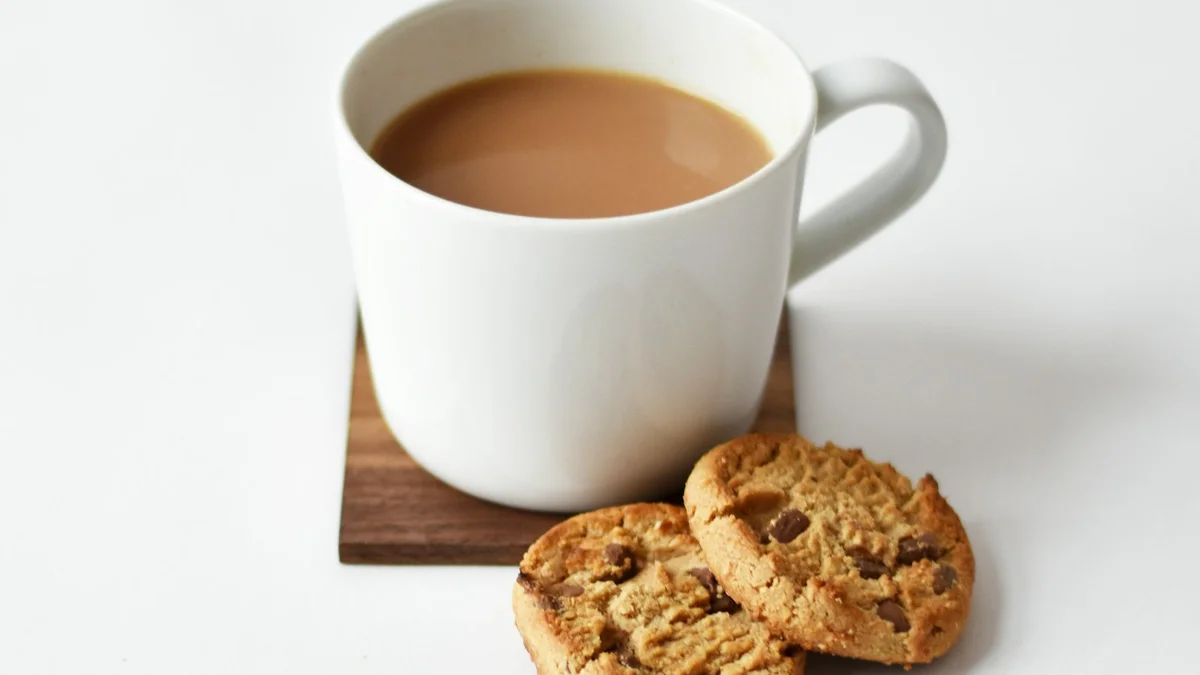
When I was at my most exhausted, the only joy I could find was in hot tea. Not the taste. Not the ritual. Just the warmth of the cup in my hands. That was my minimum viable joy. And it was enough.
The permission to be small
Here is what nobody tells you about finding joy when you are exhausted: you are allowed to be small. You are allowed to find joy in tiny, insignificant things. You are allowed to be pleased by a sip of water. You are allowed to be comforted by a warm blanket.
The book captures this: “The beautiful thing about finding joy in ordinary moments is that it doesn’t depend on your external circumstances improving first. You can begin right now, even while your schedule is full and your energy is still rebuilding.”
Right now. With whatever you have. In whatever state you are in. You can begin.
This is not settling. This is wisdom. This is the recognition that joy does not require energy. It requires attention. And attention is available even when energy is not.
A practice for today
Right now, find one thing. One sip of water. One breath. One moment of quiet. Notice it for 10 seconds. Let yourself receive it.
That is the whole practice. One thing. Ten seconds. No energy required.
“Even 10-20 seconds of noticing something pleasant counts. Your nervous system needs these micro-moments to remember that life can feel good again.”
Start with one thing. Start with today. Let the tiny sparks accumulate.
Frequently asked questions
Can I really feel joy when I have no energy?
You can feel small sparks of it. Not ecstasy - just a moment of “this is nice.” Those tiny sparks are enough, and they are available even on your most tired days.
What if even one small thing feels like too much?
Then make it smaller. One breath. The warmth of a cup in your hands. There is no bar so low that you are beneath it today.
How long before tiny moments start to feel like joy?
It varies. For some people, a few weeks of noticing makes the sparks easier to find. The capacity was suppressed slowly, and it returns slowly. Let it take the time it needs.
Up next: Learn how to reclaim pleasure gently when you are exhausted in Reclaiming Pleasure: A Gentle Guide for the Exhausted.
For the full guide to reawakening joy, visit the Muted Joy Guide. Related reads include The Power of Tiny Sparks of Joy and Pleasure Capacity: Training Your Brain to Enjoy Again.
Educational content, not medical advice - if exhaustion or low mood persists, please consult a professional.